
Privacy Enhancing Technologies (PETs) are crucial for safeguarding individual privacy while enabling socially beneficial research, data sharing, and advancements in sectors that collect or use sensitive data. As AI systems increasingly rely on vast amounts of data, PETs like differential privacy, homomorphic encryption, federated learning, zero-knowledge proofs, and even model contract clauses can help ensure that personal data remains confidential and secure. This is vital not only for protecting individual rights but also for earning and maintaining public trust in technologies that use data about people.
Ethically implementing PETs is also essential. PETs must be designed and deployed to protect marginalized groups and avoid practices that may appear to be privacy-preserving, but actually exploit sensitive data or undermine privacy. In addition, clear policy guidelines on the deployment of PETs are necessary to help make sound business cases for their use in industry. If PETs are ethically integrated into research and business practices, and if global regulators have an opportunity to support their appropriate deployment, there is enormous potential for increasing technological innovation and societal benefits while upholding privacy and public trust.
FPF supports the development of PETs, convenes experts from around the world to deploy best practices, and provides in-depth analysis of emerging technologies and their policy implications. FPF also leads the National Science Foundation and Department of Energy-funded Research Coordination Network for the use of PETs to advance socially beneficial data sharing and protect people’s privacy as data is increasingly used to train AI models. FPF also facilitates a Global PETs Network of regulators who are interested in the lawful and ethical implementation of these tools.





FPF Urges Federal Trade Commission to Craft Practical Privacy Rules
FPF Comments Regarding FTC ANPR Urge the Commission to Provide Individuals with Strong, Enforceable Rights and Companies with Greater Clarity about their Obligations under Section 5 of the FTC Act. The Future of Privacy Forum filed comments regarding the Federal Trade Commission’s Advance Notice of Proposed Rulemaking, recommending that the Commission prioritize practical rules that […]

Understanding Extended Reality Technology & Data Flows: Privacy and Data Protection Risks and Mitigation Strategies
This post is the second in a two-part series. Click here for FPF’s XR infographic. The first post in this series focuses on the key functions that XR devices may feature, and analyzes the kinds of sensors, data types, data processing, and transfers to other parties that power these functions. I. Introduction Today’s virtual (VR), […]
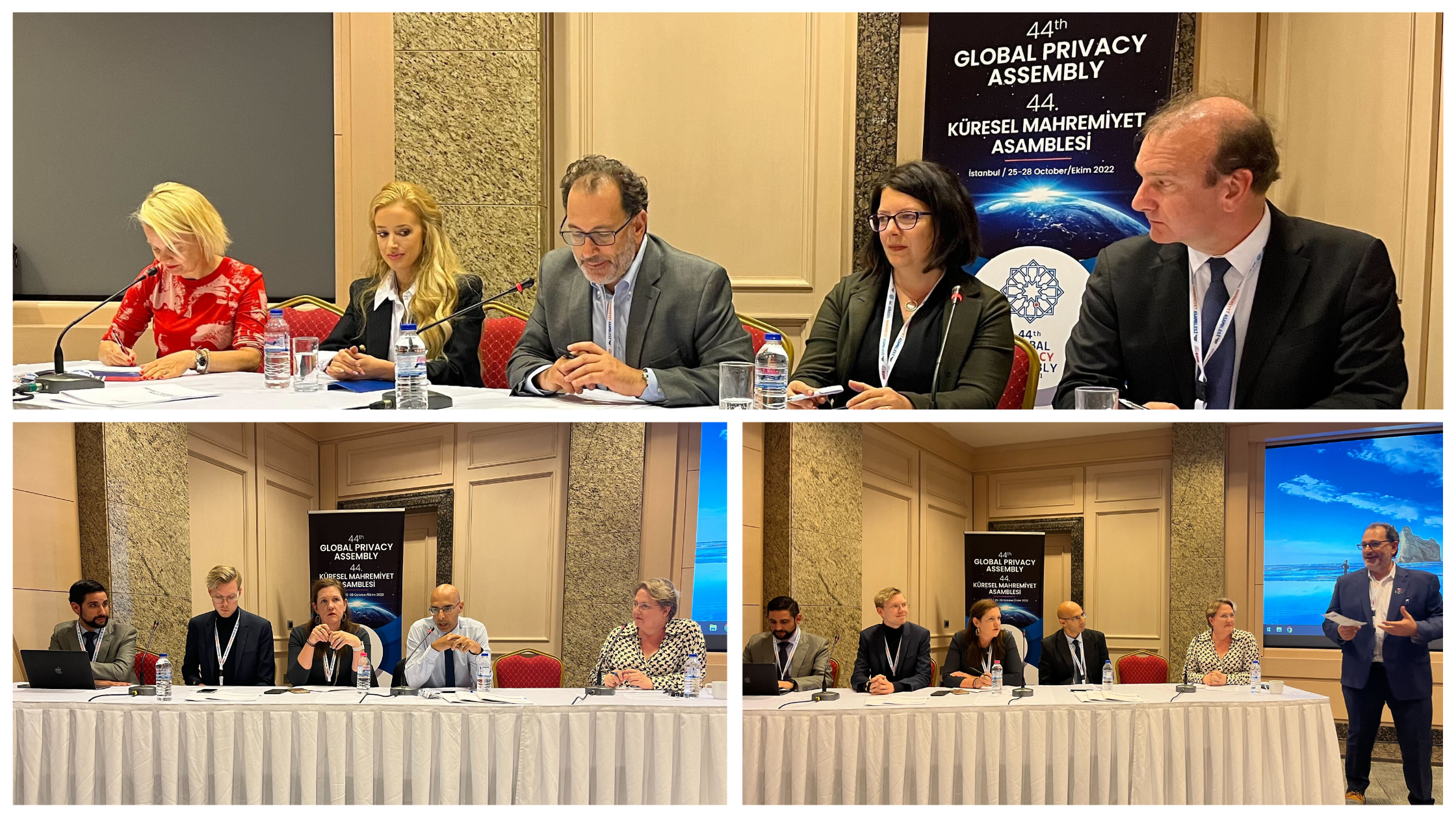
Event Report: FPF Side Event and Workshop on Privacy Enhancing Technologies (PETs) at the 2022 Global Privacy Assembly (GPA)
The 2022 Global Privacy Assembly (GPA) – which brings together most global data protection authorities (DPAs) every year since 1979, to share knowledge and establish common priorities among regulators – took place between October 25 and 28, in Istanbul (Türkiye). The Future of Privacy Forum (FPF) was invited by the organizers of the GPA (the […]

FPF Files Comments on White House Office of Science and Technology Policy Actions to Advance Privacy-Enhancing Technologies
FPF Files Comments on White House Office of Science and Technology Policy Actions to Advance Privacy-Enhancing Technologies On July 8, 2022, FPF filed comments with the White House Office of Science and Technology Policy (OSTP) regarding specific actions that would advance the adoption of privacy-enhancing technologies (PETs). As emerging technologies continue to offer increased speed, […]

Future of Privacy Forum and Israel Tech Policy Institute Cyber Week Delegation, 2022
Last week, The Future of Privacy Forum’s (FPF) Israel Tech Policy Institute (ITPI) welcomed a delegation of trailblazing privacy professionals from around the world to participate in Tel Aviv University’s Cyber Week conference and to meet with start-ups, regulators, and academics. The week started with an illuminating tour of the Peres Center for Peace & […]

Report Outlines Key Privacy Considerations for Video-Based Safety Systems in Vehicles
Despite fewer vehicle miles traveled as a result of the COVID-19 pandemic, an estimated 38,680 individuals died in motor vehicle accidents in 2020 — the largest projected number of fatalities in such accidents in over a decade. Washington, D.C.-based non-profit Future of Privacy Forum (FPF) released a report detailing the data usage and privacy implications […]

FPF at CPDP 2022: Panels and Side Events
As the annual Computers, Privacy and Data Protection (CPDP) conference took place in Brussels between May 23 and 25, several Future of Privacy Forum (FPF) staff took part in different panels and events organized by FPF or other organizations before and during the conference. In this blogpost, we provide an overview of such events, with […]
FPF New Resource Takes the Guesswork out of Buying Privacy Tech
A new FPF resource helps buyers determine which privacy tools are the most appropriate for their business needs. The Privacy Tech Buyer Framework is a step-by-step tool that provides guidance on buying the best privacy technology through three phases that include simplified steps and case studies. Navigating the privacy tech acquisition process can be tricky […]

BCI Technical and Policy Recommendations to Mitigate Privacy Risks
This is the final post of a four-part series on Brain-Computer Interfaces (BCIs), providing an overview of the technology, use cases, privacy risks, and proposed recommendations for promoting privacy and mitigating risks associated with BCIs. Click here for FPF and IBM’s full report: Privacy and the Connected Mind. In case you missed them, read the […]

12th Annual Privacy Papers for Policymakers Awardees Explore the Nature of Privacy Rights & Harms
The winners of the 12th annual Future of Privacy (FPF) Privacy Papers for Policymakers Award ask big questions about what should be the foundational elements of data privacy and protection and who will make key decisions about the application of privacy rights. Their scholarship will inform policy discussions around the world about privacy harms, corporate […]