
Research often requires using sensitive data to answer important questions. The ethical collection and analysis of personal information can be challenging to do while still protecting the privacy of the implicated individuals, honoring informed consent, and complying with other legal obligations. The technology, policies, and ethical considerations for researchers are constantly shifting, sometimes making it difficult to keep up. That’s why FPF engages stakeholders across academia and industry to produce recommendations, best practices, and ethical review structures that promote responsible research. Our work is centered around streamlining, encouraging, and promoting responsible research that respects essential privacy and ethical considerations throughout the research lifecycle. FPF works with policymakers to develop legislative protections that support effective, responsible research with strong privacy safeguards, including hosting events that allow policymakers and regulators to engage directly with practitioners from academia, advocacy, and industry.



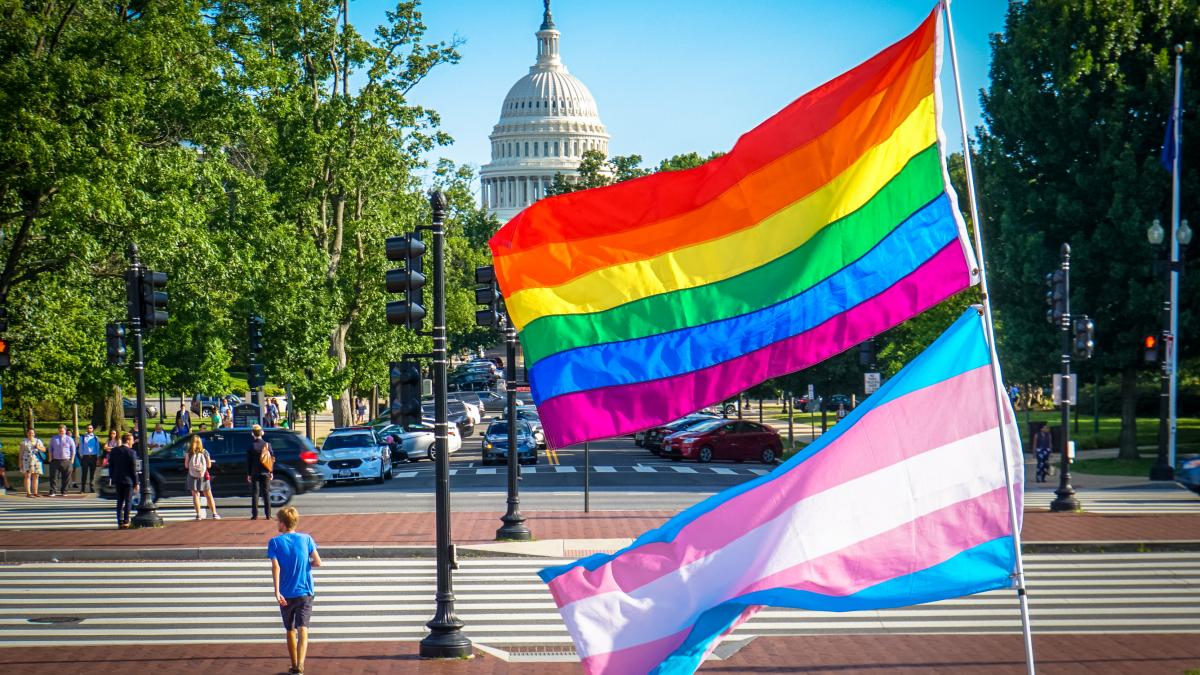
Supreme Court Rules that LGBTQ Employees Deserve Workplace Protections–More Progress is Needed to Combat Unfairness and Disparity
Authors: Katelyn Ringrose (Christopher Wolf Diversity Law Fellow) and Dr. Sara Jordan (Policy Counsel, Artificial Intelligence and Ethics) Today’s Supreme Court ruling in Bostock v. Clayton County—clarifying that Title VII of the Civil Rights Act bans employment discrimination on the basis of sexual orientation and gender identity—is a major victory in the fight for LGBTQ […]

Apple & Google Update Terms for COVID-19 Apps
While the legislative process for COVID-related data is advancing, the business and platform standards for apps are falling in place. Rules for All COVID Apps In response to the coronavirus pandemic, developers are rushing to create applications to support healthcare systems, spread awareness in the community, guide epidemiological research, and mitigate the spread. Apple and […]

Future of Privacy Forum Partners with Dublin City University
Today, the Future of Privacy Forum (FPF) and Dublin City University (DCU) have announced a new partnership that will see them host joint conferences and workshops, collaborate on research projects, develop resources for policymakers, and pursue applications for research opportunities together over the next three years. “Partnering with DCU will allow us to collaborate with […]
FPF CEO: Will I Install an Exposure Notification App? Thoughts on the Apple-Google API
As a privacy expert, if my local health department develops a mobile app for people with a COVID diagnosis to alert anyone they were near, will I use it? Yes, I will. And I will urge friends, neighbors and colleagues to download such an app. I have an immuno-compromised family member in my household. I am […]

FPF Honors UC-Irvine/Lumos Labs Partnership with First-Ever Award for Research Data Stewardship
Click here to view the Call for Nominations for the 2021 FPF Award for Research Data Stewardship. Click here to watch a recording of the 2020 FPF Award for Research Data Stewardship virtual awards event. University of California Irvine (UCI) Professor of Cognitive Science Mark Steyvers and Lumos Labs – the parent company behind Lumosity, […]

Newly Released COVID-19 Privacy Bills Would Regulate Pandemic-Related Data
By Pollyanna Sanderson (Policy Counsel), Stacey Gray (Senior Policy Counsel) & Katelyn Ringrose (Christopher Wolf Diversity Law Fellow) Yesterday afternoon, leading House and Senate Democrats introduced the Public Health Emergency Privacy Act. The Democratic-led bill, which was introduced by Senators Blumenthal and Warner, as well as Representatives Eshoo, Schakowsky and DelBene, follows the May 10th […]

Artificial Intelligence and the COVID-19 Pandemic
By Brenda Leong and Dr. Sara Jordan Machine learning-based technologies are playing a substantial role in the response to the COVID-19 pandemic. Experts are using machine learning to study the virus, test potential treatments, diagnose individuals, analyze the public health impacts, and more. Below, we describe some of the leading efforts and identify data protection […]
European Union’s Data-Based Policy Against the Pandemic, Explained
Benefitting from a mature and largely harmonized data protection legal framework, the European Union and its Member States are taking policymaking steps towards a pan-European approach to enlisting data and technology against the spread of COVID-19 and to support the gradual restarting of the economy. Here is an overview of key recent events essential to […]

FPF Submits Comments to NIH on the NIH-Wide Strategic Plan for Fiscal Years 2021-2025
Earlier this month, the Future of Privacy Forum (FPF) submitted comments to the National Institutes of Health (NIH) on the NIH-Wide Strategic Plan covering fiscal years 2021-2025. In the letter, Health Policy Counsel Rachele Hendricks-Sturrup and Artificial Intelligence Policy Counsel Sara Jordan propose the addition of a cross-cutting theme to NIH’s strategic plan as well […]

FPF and Privacy Analytics Identify “A Practical Path Toward Genetic Privacy”
Paper highlights de-identification standards, re-identification research, and emerging technical, contractual, and policy protections that can safeguard genetic data while supporting research. Genomic data is arguably the most personal of all personally identifiable information (“PII”). Techniques to de-identify genomic data to limit privacy and security risks to individuals–while that data is used for research and statistical […]