
Research often requires using sensitive data to answer important questions. The ethical collection and analysis of personal information can be challenging to do while still protecting the privacy of the implicated individuals, honoring informed consent, and complying with other legal obligations. The technology, policies, and ethical considerations for researchers are constantly shifting, sometimes making it difficult to keep up. That’s why FPF engages stakeholders across academia and industry to produce recommendations, best practices, and ethical review structures that promote responsible research. Our work is centered around streamlining, encouraging, and promoting responsible research that respects essential privacy and ethical considerations throughout the research lifecycle. FPF works with policymakers to develop legislative protections that support effective, responsible research with strong privacy safeguards, including hosting events that allow policymakers and regulators to engage directly with practitioners from academia, advocacy, and industry.




CPDP2020 Panel: The Future Is Now: Autonomous Vehicles, Trolley Problem(s) and How to Deal with Them
Last week, FPF brought together a panel of technology, legal, regulatory, and business voices to discuss “The Future is Now: Autonomous Vehicles, Trolley Problem(s) and How to Deal with Them” at the 13th annual Computers, Privacy, and Data Protection conference. The premise of the panel was that autonomous and highly automated vehicles are likely the […]

Takeaways from the Understanding Machine Learning Masterclass
Yesterday, the Future of Privacy Forum provided bespoke training on machine learning as a side event during the Computers, Privacy and Data Protection Conference (CPDP2020) in Brussels. The Understanding Machine Learning masterclass is a training aimed at policymakers, law scholars, social scientists and others who want to more deeply understand the data-driven technologies that are front of mind for data protection […]

Award-Winning Paper: "Privacy Attitudes of Smart Speaker Users"
For the tenth year, FPF’s annual Privacy Papers for Policymakers program is presenting to lawmakers and regulators award-winning research representing a diversity of perspectives, including those from students and academics. Among the papers to be honored at an event at the Hart Senate Office Building on February 6, 2020 is Privacy Attitudes of Smart Speaker […]

FPF Welcomes New Staff to Focus on Artificial Intelligence and Mobility
FPF is pleased to announce the addition of two new members to its team, Dr. Sara Jordan and Chelsey Colbert. As individuals’ personal data is increasingly used by algorithmic systems that employ machine learning and artificial intelligence technologies, the benefits to consumers, businesses and society are evident, but so are the privacy risks. In her […]

FPF to Present First-Ever Research Data Stewardship Award
FPF is requesting nominations for its Award for Research Data Stewardship.
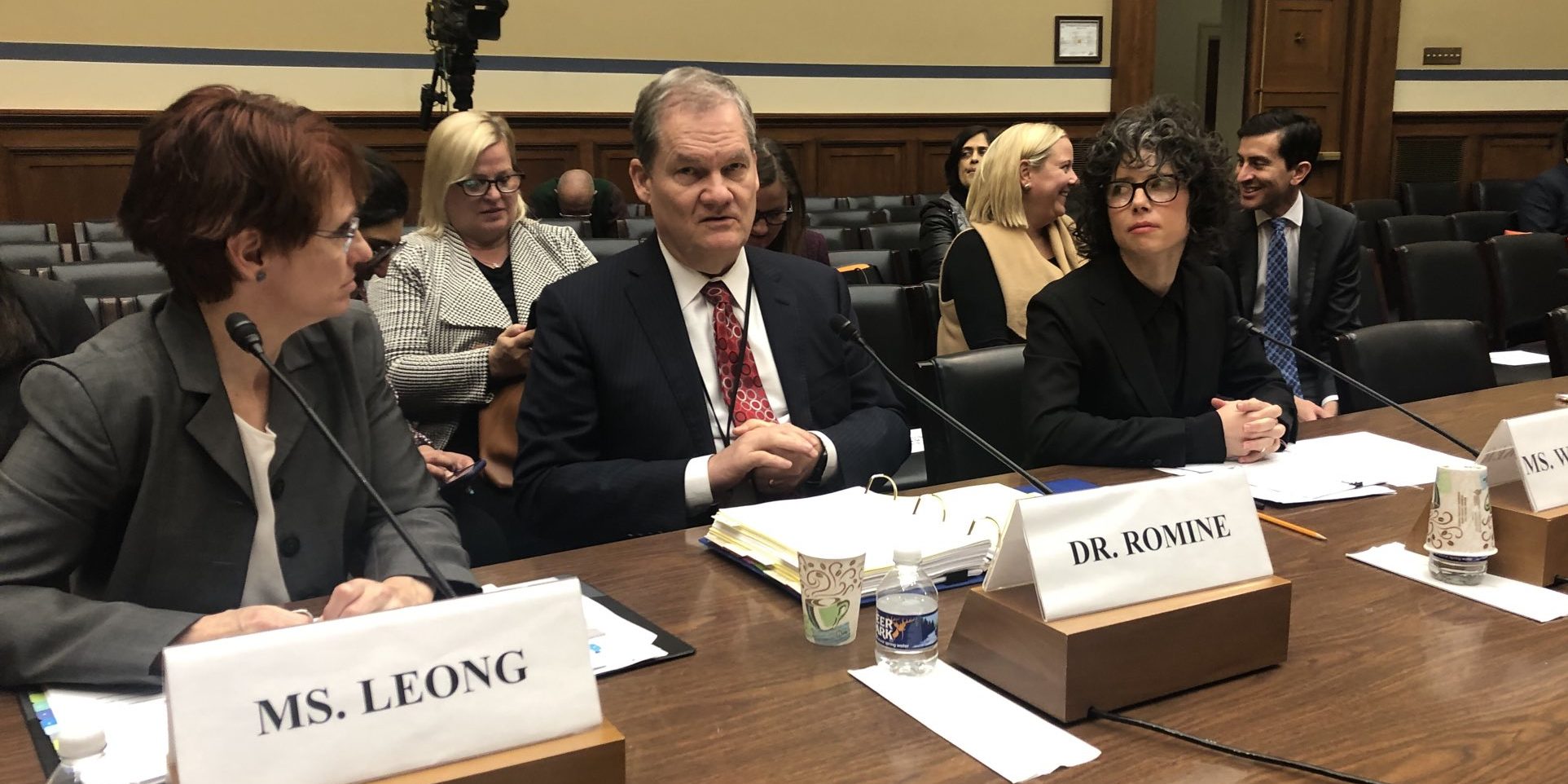
FPF Director of AI & Ethics Testifies Before Congress on Facial Recognition
FPF’s Brenda Leong calls on policymakers to balance privacy and ethical risks, and establish “opt-in” consent standard to protect consumer privacy.
Privacy Papers 2019
The winners of the 2019 Privacy Papers for Policymakers (PPPM) Award are: Antidiscriminatory Privacy by Ignacio N. Cofone, McGill University Faculty of Law Abstract Law often regulates the flow of information to prevent discrimination. It does so, for example, in Law often blocks sensitive personal information to prevent discrimination. It does so, however, without a […]

This Year’s Must-Read Privacy Papers: FPF Announces Recipients of Annual Award
Today, FPF announced the winners of the 10th Annual Privacy Papers for Policymakers (PPPM) Award. This Award recognizes leading privacy scholarship that is relevant to policymakers in the United States Congress, at U.S. federal agencies and for data protection authorities abroad. The winners of the 2019 PPPM Award are: Antidiscriminatory Privacy by Ignacio N. Cofone, […]
Closer than Apart: Comparing Senate Commerce Committee Bills
Together with Senator Cantwell (D-WA)’s bill, the Consumer Online Privacy Rights Act, Senator Wicker’s Discussion Draft represents a significant movement toward bipartisan negotiations in the Senate. But how do the two bills, one from leading Democrats, and one from the Republican Chairman, compare to each other? We find them to be closer together on most issues than they are apart: a promising sign for bipartisan negotiation.
Starting Point for Negotiation: An Analysis of Senate Democratic Leadership’s Landmark Comprehensive Privacy Bill
Today, Senate Commerce Committee Ranking Member Maria Cantwell (D-WA), joined by top Democrats on the Senate Commerce Committee – Senators Markey, Schatz and Klobuchar – introduced a new comprehensive federal privacy bill, the Consumer Online Privacy Rights Act (COPRA). The bill is consistent with the Senate Democratic leadership positions announced last week and comes in advance of a December 4th Senate Commerce Committee hearing convened by Senator Wicker (R-Miss), Examining Legislative Proposals to Protect Consumer Data Privacy.