
Across the United States, evolving data collection and processing practices and advances in artificial intelligence are driving new digital services, technologies, and socially beneficial research – while also raising new opportunities, risks, and questions for individuals and communities. In response, state and federal policymakers are considering new legislative and regulatory frameworks on three interconnected fronts: comprehensive consumer privacy laws that establish baseline rights and protections for personal data across the economy; frameworks that target specific sectors and practices such as automated decisionmaking, biometric identification, companion chatbots, data-driven pricing, data brokerage, frontier AI model safety, genetic data, and health data; and youth-specific privacy and online safety laws that set distinct rules for minors. These three tracks rarely stay in their lanes: a comprehensive privacy law may include AI provisions, an AI safety bill may carve out rules for minors, a youth online safety law may hinge on biometric age verification. Understanding the landscape requires understanding both the individual pieces and how they fit together.
FPF’s U.S. Legislation team provides expert, independent, pragmatic analysis of state and federal legislative and regulatory approaches to privacy, AI, and youth online safety – three distinct but increasingly intertwined issue areas. The team tracks emerging proposals, compares new laws against existing frameworks, analyzes implementation and compliance implications, and helps policymakers and stakeholders understand how legal requirements interact with current technologies, business practices, and data uses.
Through reports, blog posts, legislative and policy analyses, webinars, in-person and virtual peer-to-peer gatherings, and educational programs, FPF helps the broader technology policy and governance community understand the mechanisms and strategies available to protect privacy, promote responsible AI development and deployment, and advance youth online safety. FPF does not typically support or oppose particular bills. Instead, the U.S. Legislation team focuses on explaining the practical and legal implications of proposals – individually and as they interact with one another. This work helps ensure that privacy, AI, and youth safety compliance and policy strategies remain future-looking, adaptable, and workable for the continued, beneficial use of data and AI.
FPF’s U.S. Legislation team is led by Tatiana Rice, Senior Director.





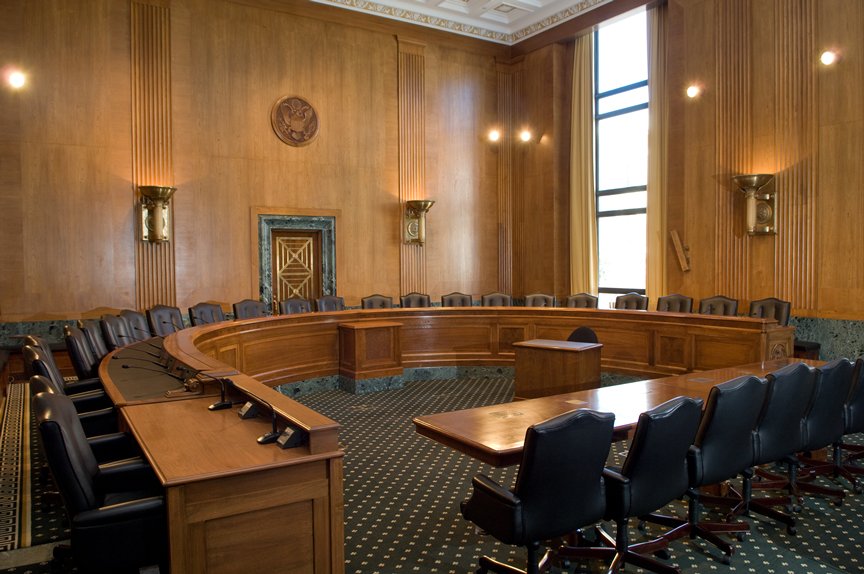
FPF’s Stacey Gray Testifies Before Senate Finance Committee Regarding Data Brokers, Urges Congress Pass a Comprehensive Federal Privacy Law
Today, Future of Privacy Forum Senior Counsel Stacey Gray testified before the U.S. Senate Finance Subcommittee on Fiscal Responsibility and Economic Growth regarding consumer privacy in the technology sector. Stacey’s testimony explains that the term “data brokers” typically encompasses a wide variety of companies and business practices that use personal information for different purposes, some […]

FPF Files Comments on CPRA Initial Rulemaking
Yesterday, the Future of Privacy Forum filed comments with the California Privacy Protection Agency on the initial rulemaking under the California Privacy Rights Act (CPRA). The CPRA, which comes into effect in 2023, provides protections for sensitive personal information, expands the California Consumer Privacy Act’s opt-out rights, and requires businesses to provide mechanisms for individuals […]

Five Things Lawyers Need to Know About AI
Lawyers are trained to respond to risks that threaten the market position or operating capital of their clients. However, when it comes to AI, it can be difficult for lawyers to provide the best guidance without some basic technical knowledge. This article shares some key insights from our shared experiences to help lawyers feel more at ease responding to AI questions when they arise.

Uniform Law Commission Finalizes Model State Privacy Law
This month, the Uniform Law Commission (ULC) voted to approve the Uniform Personal Data Protection Act (UPDPA), a model bill designed to provide a template for uniform state privacy legislation. After some final amendments, it will be ready to be introduced in state legislatures in January 2022. The ULC has been engaged in an effort […]

What the Biden Executive Order Means for Data Protection
Last week, President Biden signed an Executive Order on “Promoting Competition in the American Economy” (“the Order” or “the EO”), published together with an explanatory Fact Sheet. The Order outlines a sweeping agenda for a “whole of government” approach to enforcement of antitrust laws in nearly every sector of the economy. Although there is a […]
Event Recap: Dublin Privacy Symposium 2021, Designing for Trust: Enhancing Transparency & Preventing User Manipulation
Key Takeaways The biggest challenge to increase UX transparency may be encouraging people to make deliberate decisions from a UX design perspective. Even designers’ color and shape choices in UI can be subtle ‘dark patterns’ that might even prevent, e.g., color-blind users from understanding the options at hand. Organizations should ask themselves whether they should […]
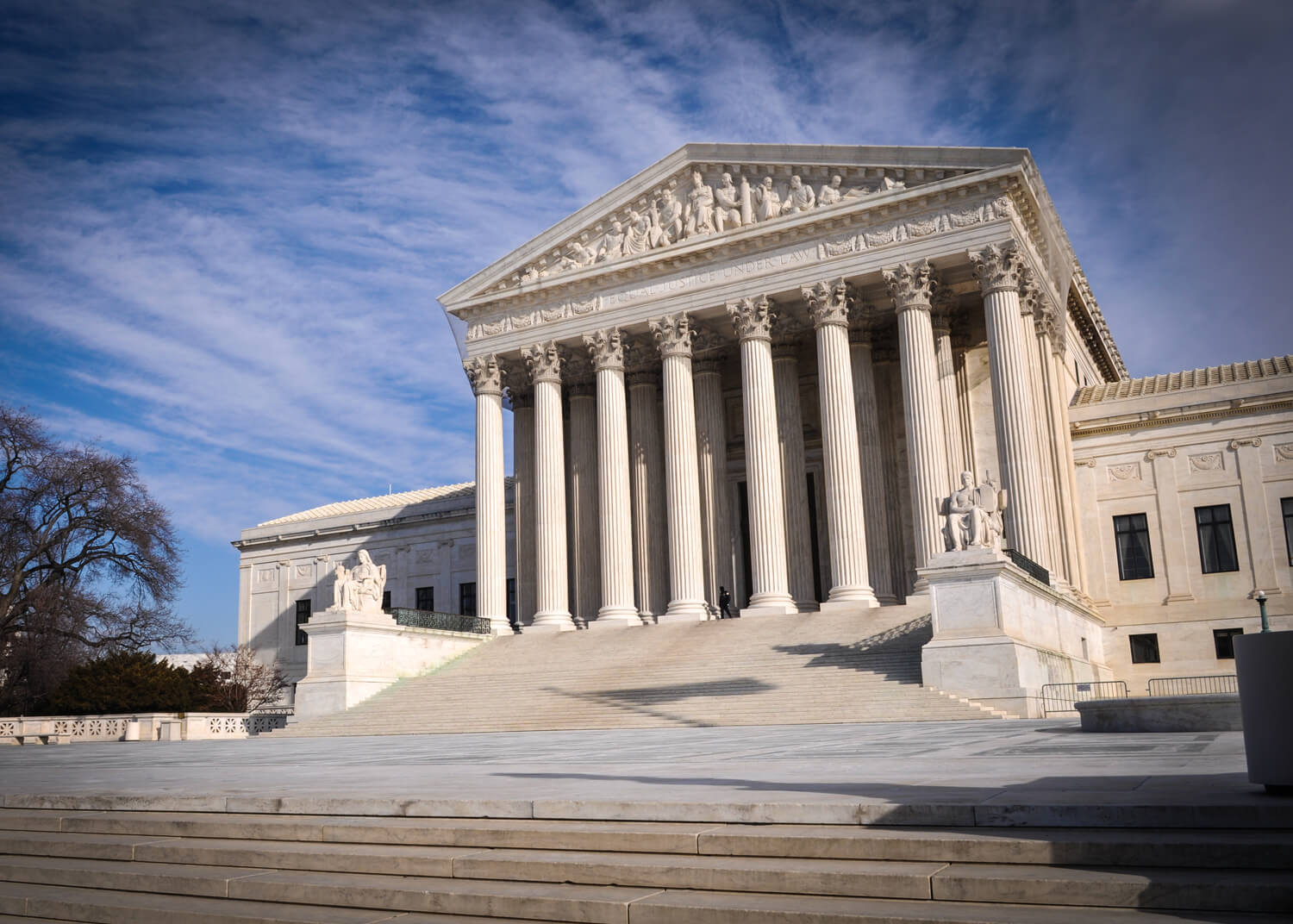
Lessons for a Federal Private Right of Action in US Privacy Law after TransUnion LLC v. Ramirez
In June 2021, the Supreme Court handed down TransUnion v. Ramirez, 594 U.S. ___ (2021), its latest decision concerning Article III standing, which determines a plaintiff’s eligibility to sue in federal court. Even when a federal law expressly creates a private right of action to enforce a federal right or other violation of the law, […]

Navigating Preemption through the Lens of Existing State Privacy Laws
This post is the second of two posts on federal preemption and enforcement in United States federal privacy legislation. See Preemption in US Privacy Laws (June 14, 2021). In drafting a federal baseline privacy law in the United States, lawmakers must decide to what extent the law will override state and local privacy laws. In […]

Manipulative Design: Defining Areas of Focus for Consumer Privacy
In consumer privacy, the phrase “dark patterns” is everywhere. Emerging from a wide range of technical and academic literature, it now appears in at least two US privacy laws: the California Privacy Rights Act and the Colorado Privacy Act (which, if signed by the Governor, will come into effect in 2025). Under both laws, companies […]
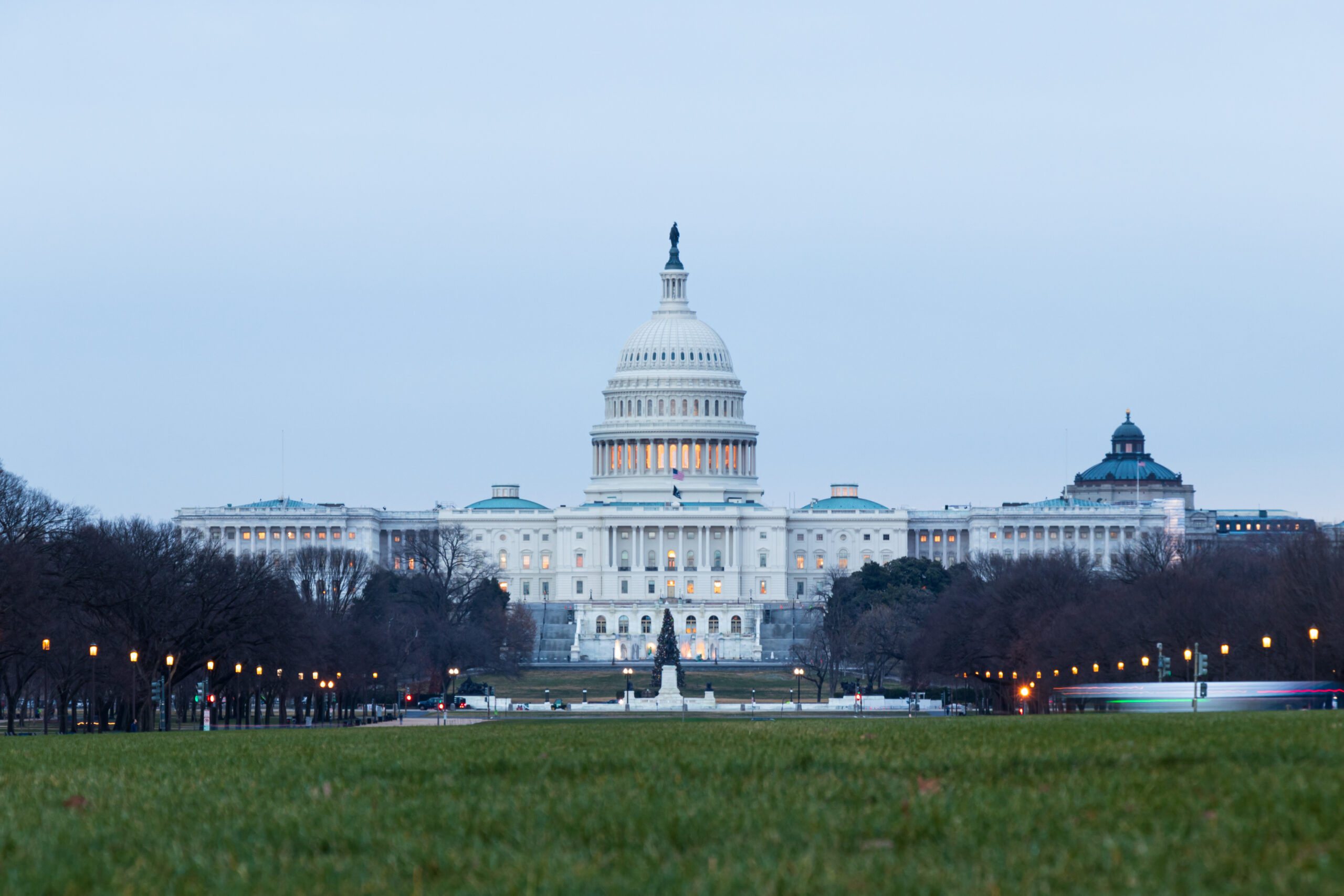
Preemption in US Federal Privacy Laws
As federal lawmakers consider proposals for a federal baseline privacy law in the United States, one of the most complex challenges is federal preemption, or the extent to which a federal law should nullify the state laws on the books and the emerging laws addressing the collection and use of personal information. Many recognize the […]