
Showing results for virg xped promo codes saudi arabia

Jules Polonetsky
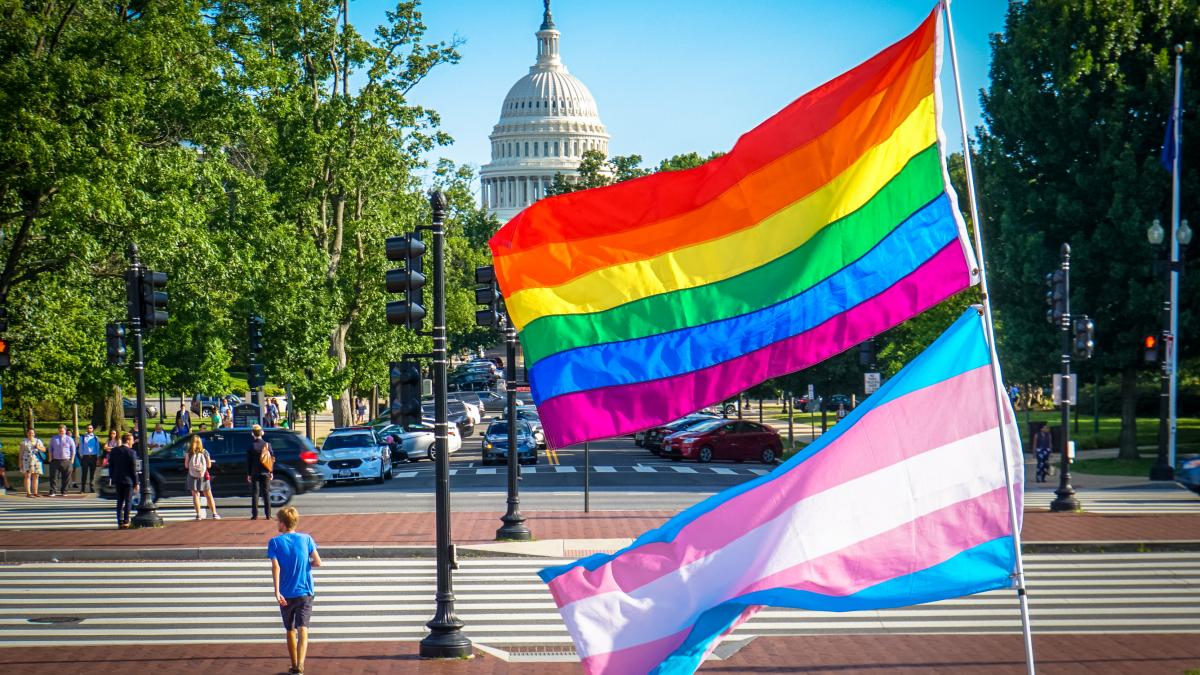
Supreme Court Rules that LGBTQ Employees Deserve Workplace Protections–More Progress is Needed to Combat Unfairness and Disparity
[…] that discriminatory decisions and resulting unfairness as determined by algorithms can lead to distinct collective and societal harms. For example, use of proxies, such as “gayborhood” ZIP codes in algorithms or resume clues regarding LGBTQ community activism, can lead to employment discrimination and result in the same differential access to job opportunities. As organizations […]
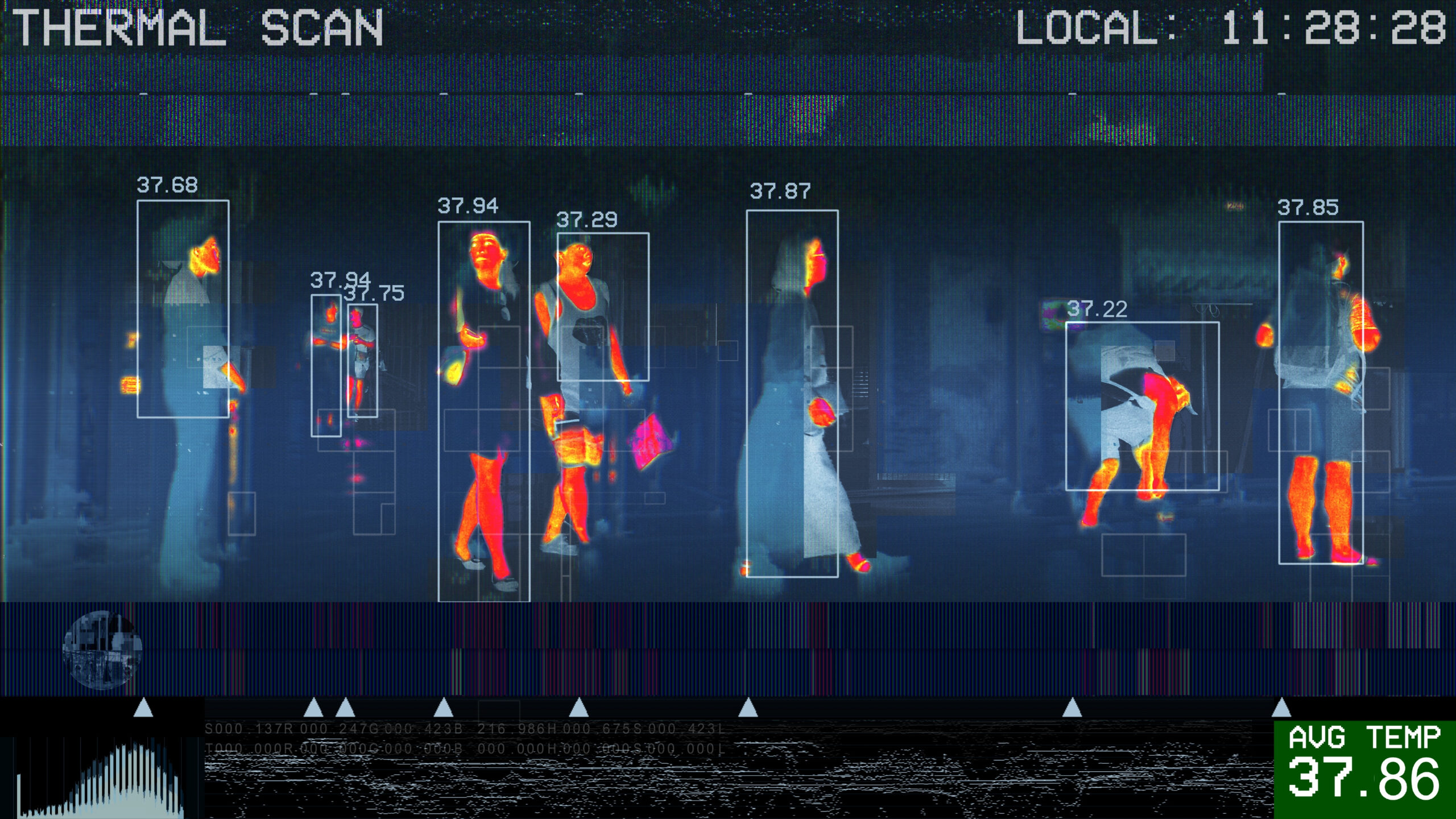
Thermal Imaging as Pandemic Exit Strategy: Limitations, Use Cases and Privacy Implications
[…] use by some businesses. Police, in some areas of the UK, use thermal cameras to spot people breaking social distancing orders at night. The Quassim region of Saudi Arabia is monitoring the public with drones carrying thermal cameras. It is uncommon in the US to use thermal cameras as a tool for public surveillance. […]

InformationPrivacyAct-June3-2020
[…] Such 19 industry -specific compliance programs shall be developed by one or more covered entities or 20 organizations representing categories of covered entities to create standards or codes of conduct 21 regarding compliance with one or more provisions in this Act , and may be submitted to the 22 Commission for consideration no ear […]
FPF_GDPR Report Final
[…] organization is based outside the EU. For example, the GDPR will apply to the admissions process if institutions do any of the following: • Participate in any promotional events in the EU, such as higher-ed fairs; • Include in marketing communicati ons the email addresses, home addresses, or phone numbers of prospective students in […]
FinTech AI _FPF written statement_Feb2020
[…] . The Court ruled that it was illegal for a company to rely on factors which were shown to unfairly favor white applicants to make hiring or promotion decisions, whether or not the discrimination was intentional. 32 This lack of intent is st ill applicable – and any AI systems that y ield recommendations […]
PPPM 2020 Digest
[…] Privacy Forum and is a member of the American Law Institute. Professor Richards graduated in 1997 with graduate degrees in law and history from the University of Virginia, and served as a law clerk to both William H. Rehnquist, Chief Justice of the United States and Paul V. Niemeyer, United States Court of Appeals […]

A Privacy Playbook for Connected Car Data
[…] use, and sharing of personal information about drivers, passengers, cyclists, and pedestrians. It is crucial that companies, advocates, academics, technical experts, and policymakers craft creative solutions that promote the benefits of connected vehicles while mitigating the privacy risks. Global legal frameworks have a role to play in assuring meaningful data protection and promoting trust, […]
OtonomoPrivacyPaper
[…] ns! Lisa Joy Rosner, Chief Marketing Ofcer, Otonomo 3 Foreword By John Verdi, Vice President of Policy, Future of Privacy Forum Drivers and passengers expect cars to be safe, comfortable, and trustwor thy. Individuals often consider the details of their travels—and the vehicles that tak e them between their home, the ofce, a hospital, their place of worship, or their child’ s school—to be sensitive, personal data. The newest cars contain numerous sensors, from cameras and GPS to accele rometers and event data recorders. Carmakers, rideshare services, tech companies, and others are increasingly using data about cars to reduce emissions, manage trafc, avoid crashes, and more. The benefits of connected vehicles for individuals, communities, and society are clear. So are the privacy risks posed by increased collection, use, and sharing of personal information about drivers, passengers, cyclists, and pedestrians. It is crucial that companies, advocates, academics, technical experts, a nd policymakers craft creative solutions that promote the benefits of connected vehicl es while mitigating the privacy risks. Global legal frameworks have a role to play in assuring m eaningful data protection and promoting trust, as do voluntary, enforceable codes of co nduct and techni- cal standards. However, it is plain that entities must look beyond legal obligations an d consider how they will earn and maintain consumer trust. With this white paper, Otonomo ha s taken an important step to advance the dialogue on connected car data privacy. It is vital work, and we hope it inspires the connected car ecosystem to think more broadly ab out data practic- es and to explore new ways to support consumers’ trust in connected v ehicles. Connected cars: Ushering in a new era of transportation Today’s connected cars are becoming computers on wheels, generating d ata ranging from ambient air temperature and battery level to hard-braking events and roa d sign images, and a growing suite of services are further enhancing safety and conveni ence on the road. Experts predict that the transportation sector will change more in the n ext five years than in […]
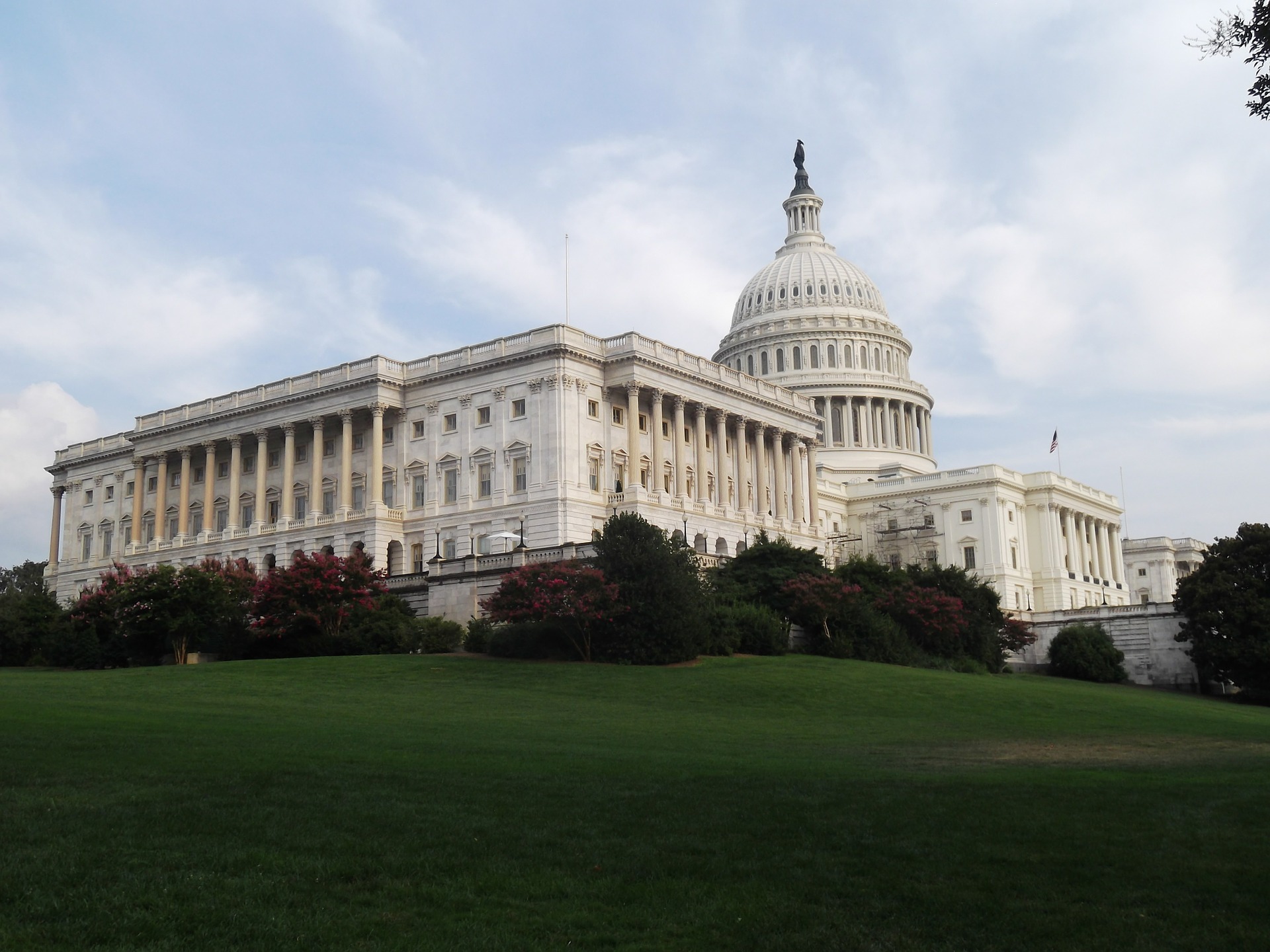
Privacy Papers 2019
[…] and when it should not. It examines the relationship between precluded personal information, such as race, and the proxies for precluded information, such as names and zip codes. It proposes that the success of these measures depends on what types of proxies exist for the information blocked and it explores in which situations those […]