
FTC should investigate app developers banned by Facebook – Statement by Future of Privacy Forum CEO
Future of Privacy Forum Calls on FTC to Investigate Apps That Misused Consumer Data WASHINGTON, DC – September 20, 2019 – Statement by Future of Privacy Forum CEO Jules Polonetsky regarding Facebook’s announcement that it has banned 400 developers from its app store: The FTC should quickly act against many of these app developers, since […]
New White Paper Explores Privacy and Security Risk to Machine Learning Systems
FPF and Immuta Examine Approaches That Can Limit Informational or Behavioral Harms WASHINGTON, D.C. – September 20, 2019 – The Future of Privacy Forum (FPF) released a white paper, WARNING SIGNS: The Future of Privacy and Security in an Age of Machine Learning, exploring how machine learning systems can be exposed to new privacy and […]
Warning Signs: Identifying Privacy and Security Risks to Machine Learning Systems
FPF is working with Immuta and others to explain the steps machine learning creators can take to limit the risk that data could be compromised or a system manipulated.

What is 5G Cell Technology? How Will It Affect Me?
The leap from 3G to 4G technology brought with it faster data transfer speeds, which supported widespread adoption of data cloud and streaming services, video conferencing, and Internet of Things devices such as digital home assistants and smartwatches. 5G technology has the potential to enable another wave of smart devices: always connected and always communicating to provide faster, more personalized services.
10 Reasons Why the GDPR Is the Opposite of a ‘Notice and Consent’ Type of Law
The below piece was originally published on Medium. For a version with humorous images, head to the original post. A ‘notice and consent’ privacy law puts the entire burden of privacy protection on the person and then it doesn’t really give them any choice. The GDPR does the opposite of this. There is so much […]
10th Annual Privacy Papers for Policymakers – Send Us Your Work!
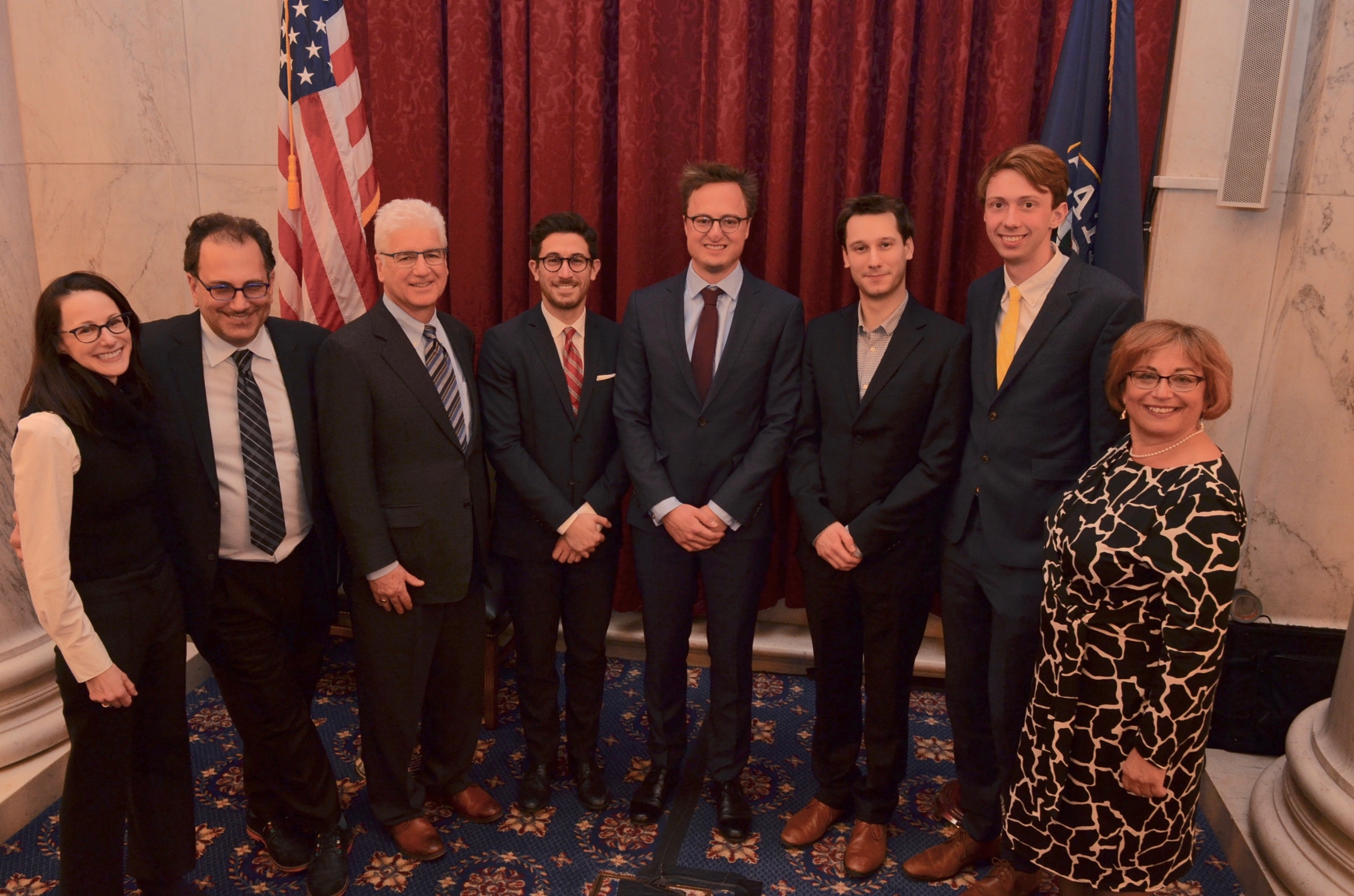
The 10th Annual Privacy Papers for Policymakers awards have been announced. Register here to attend the event on February 6, 2020. We will open the submissions process for next year’s awards in fall 2020. Have you conducted privacy-related research that policymakers should know about? If so, we can help you get it in front of […]
New FPF Study: More Than 200 European Companies are Participating in Key EU-US Data Transfer Mechanism
Co-Authored by: Daniel Neally & Jeremy Greenberg EU Companies’ Participation in Privacy Shield Grew by More than One-Third Over the Past Year EU-US Privacy Shield Essential to Leading European Companies From Major Employers such as Aldi and Dr. Oetker to Leading Technology Firms like CRISPR Therapeutics and Workwave, European Companies Depend on the EU-US Agreement […]
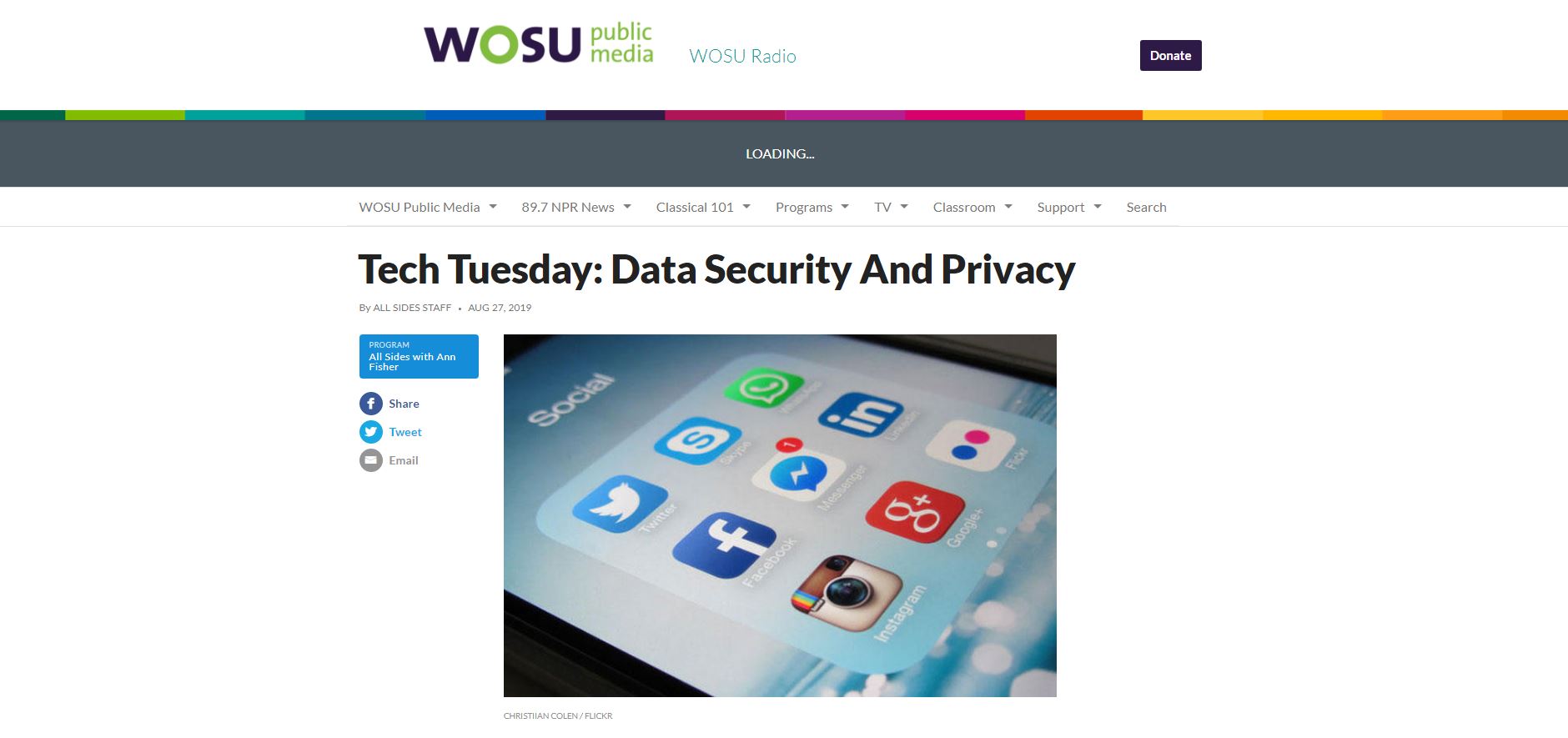
ICYMI: FPF's Amelia Vance Raises Concerns about School Surveillance Technologies on WOSU
Future of Privacy Forum’s Amelia Vance warns of ‘unintended consequences’ that could harm students.

How the FTC Became a "Super CNIL"
By Winston Maxwell European data protection authorities are quick to remind citizens and companies that the U.S. lacks adequate protection of personal data. Many Europeans therefore assume that the U.S. is a privacy no-man’s-land. Yet on July 24, 2019 the FTC levied a privacy fine against Facebook that is far above GDPR levels, and imposed […]
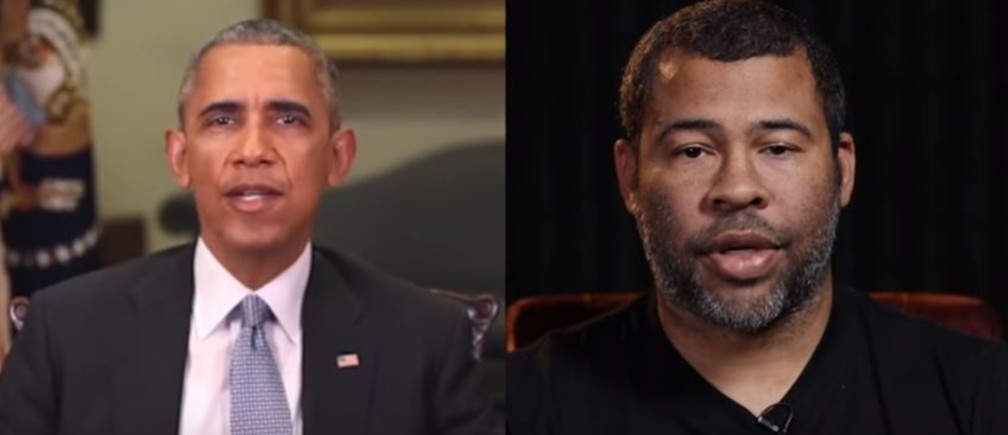
Digital Deep Fakes
The media has recently labeled manipulated videos of people “deepfakes,” a portmanteau of “deep learning” and “fake,” on the assumption that AI-based software is behind them all. But the technology behind video manipulation is not all based on deep learning (or any form of AI), and what are lumped together as deepfakes actually differ depending on the particular technology used. So while the example videos above were all doctored in some way, they were not all altered using the same technological tools, and the risks they pose – particularly as to being identifiable as fake – may vary.