
Showing results for 290can someone find 20a sugar daddy find 20a

“Personality vs. Personalization” in AI Systems: Specific Uses and Concrete Risks (Part 2)
[…] create custom GPTs. Figure 3 – An excerpt from a conversation with “Monday” GPT, a custom version of ChatGPT, which embodies the snappy and moody temperament of someone who dreads the first day of the week While LLM-based conversational AI systems remain nascent, they are already varying tremendously in personality as a way of […]

AI Regulation in Latin America: Overview and Emerging Trends in Key Proposals
[…] either by creating new agencies or assigning responsibility to existing ones, and (v) have specific provisions for responsible innovation and controlled testing of AI technologies. You may find a comparative summary of our findings in the annexed table. 1. Principles-Based and Human Rights-Centered Approaches are a Common Theme Across LatAm AI Bills Most bills […]

A Price to Pay: U.S. Lawmaker Efforts to Regulate Algorithmic and Data-Driven Pricing
[…] Legislation varies in the scope of pricing practices covered, depending on how key terms are defined. Prohibiting certain practices deemed inappropriate, while maintaining certain practices that consumers find beneficial like loyalty programs or personalized discounts, is a challenge lawmakers are attempting to address. Beyond legislation, regulators have signalled interest in investigating certain data-driven pricing […]

The “Neural Data” Goldilocks Problem: Defining “Neural Data” in U.S. State Privacy Laws
[…] information. As such, focusing too narrowly on “thoughts” or “brain activity” could exclude some of the most sensitive and intimate personal characteristics that people want to protect. In finding the right balance, lawmakers should be clear about what potential uses or outcomes on which they would like to focus. screenshot 2025 08 11 at 5.30.53â¯pm

Balancing Innovation and Oversight: Regulatory Sandboxes as a Tool for AI Governance
[…] a law that regulates mental health AI chatbots in Utah. In a similar vein, Brazil launched a national AI regulatory sandbox before enacting an AI law, and findings from the sandbox could inform the final version of legislation. Many other sandboxes, most notably in Singapore, take a “light touch” approach that prioritizes iterative guidance, […]

Privacy Enhancing Technologies Workshop Proceedings
[…] in mind? Is that possible in strongly privacy-protected data sets? If so, how would we do it, particularly in the context of dif ferential privacy, where removing someone from a dataset reveals more about them than keeping them in? ● How do anti-fraud efforts intersect with deletion requirements, especially when fraudulent actors request the […]
2025 Trends in U.S. State AI Legislation: Preview of FPF Legislative Report
This Preview highlights key findings from FPF’s forthcoming report “2025 U.S. State AI Legislation: An Examination of State Approaches to AI,” which provides a data-driven snapshot of enacted and key AI bills affecting the private sector, organizes activity into distinct approaches, and helps stakeholders understand emerging trends and obligations. As AI technologies rapidly integrate […]

Understanding Japan’s AI Promotion Act: An “Innovation-First” Blueprint for AI Regulation
[…] AI policies tailored to their local contexts in cooperation with the national government. Research and Development (R&D) Institutes are expected to actively engage in AI research, disseminate findings, foster talent, and cooperate with government policies. Business Operators (defined in the Act as individuals or organizations planning to develop, offer, or incorporate artificial intelligence technologies […]
Meet Bianca-Ioana Marcu, FPF Europe Managing Director
[…] Global Privacy team, has exposed me to the rich and diverse practices and understandings of privacy and data protection around the world. My ambition is to bring this valuable global perspective to FPF Europe’s work, finding ways for continued cooperation and alignment rather than distance and isolationism. bianca’s photo for blog Bianca’s photo for blog
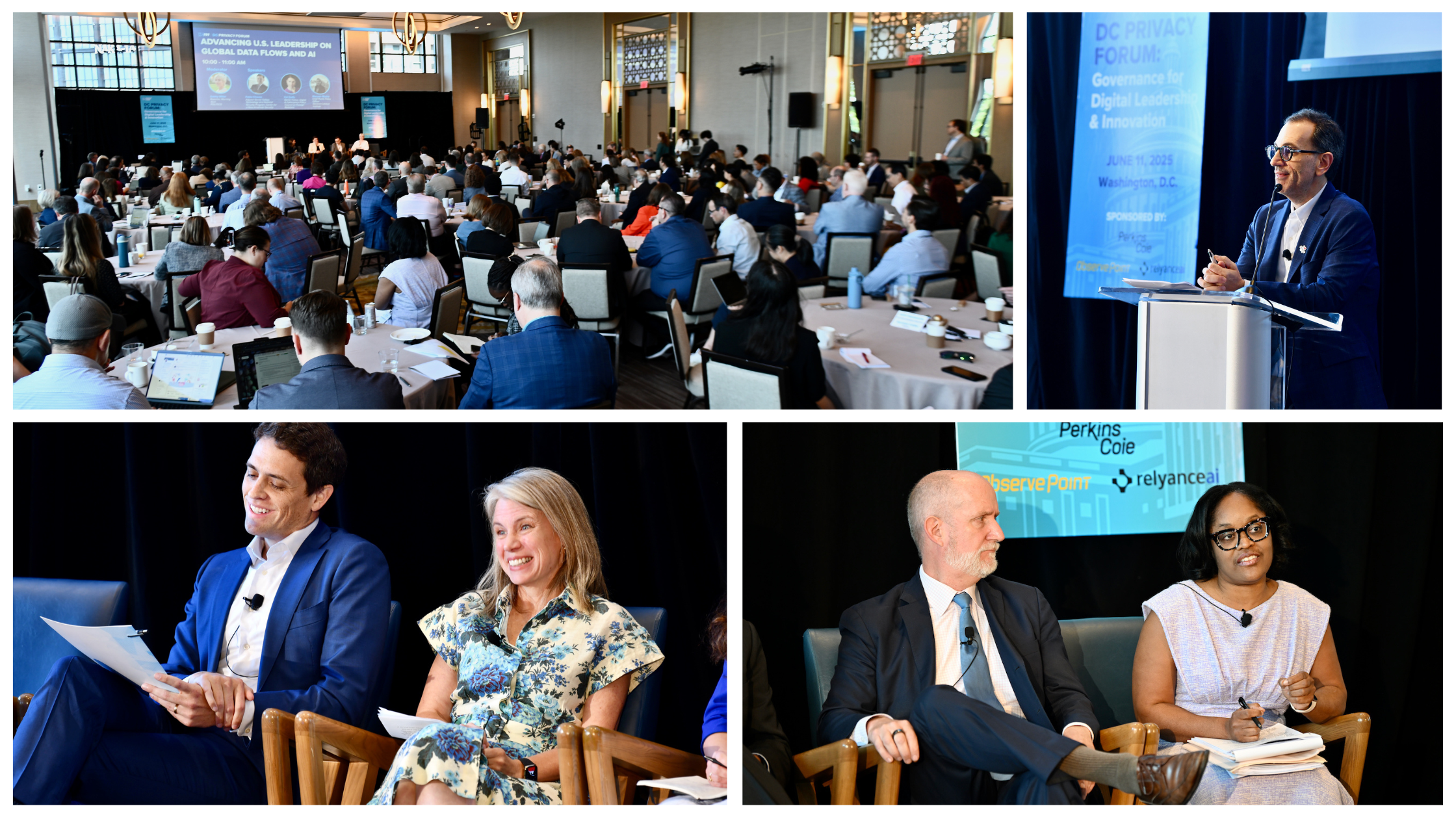
Annual DC Privacy Forum: Convening Top Voices in Governance in the Digital Age
[…] competition. The discussion highlighted a key regulatory challenge –while antitrust policy often favors openness, this approach can create privacy and security risks. Swire argued that regulators must find ways to make privacy enforcement a dimension of market competition. Ohlhausen then noted that sometimes privacy protection laws can unintentionally affect competition. AI, she added, is […]