
Addressing the privacy issues related to advertising technology and online tracking has been a key focus since FPF’s founding. Increasingly, the mobile advertising space, geo-location tracking, and indoor positioning technologies are at the forefront of online data management, retail, and new consumer offerings. Thus, it is not surprising that regulators, industry leaders, and advocates are taking a hard look at questions about how to appropriately collect and handle consumer data for advertising, location-based targeting, and audience measurement. Additionally, as public awareness of targeted and personalized advertising grows, organizations are pushed to deliver more helpful, relevant ads by less intrusive means. FPF curates a gallery of leading practices, provides up-to-date analysis of emerging and evolving technologies, convenes stakeholders in a monthly working group call, and works with policymakers, advocates, and other stakeholders to support leading privacy practices for the use of location data.




Privacy Engineering Research and the GDPR: A Trans-Atlantic Initiative
With this event, we aim to determine the relevant state of the art in privacy engineering; in particular, we will focus on those areas where the “art” needs to be developed further. The goal of this trans-Atlantic initiative is to identify open research and development tasks, which are needed to make the full achievement of the GDPR’s ambitions possible.

Location Controls in iOS 11 Highlight the Role of Platforms
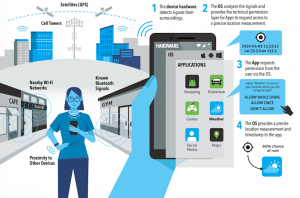
From Pokémon Go, to the geo-targeting of abortion clinics, to state legislative efforts, the last year has seen significant attention paid to the many ways our apps use and often share location data. In the midst of this heightened awareness of geo-location privacy, iPhone users and app developers may notice a difference this Fall, when Apple will be releasing updates to iOS 11 that will increase users’ control over how their geo-location may be collected and used. The changes highlight the ongoing importance—and legal implications—of platform settings for consumer privacy.
In Memory of Elise Berkower
We learned yesterday of the passing of Elise Berkower, a dear friend and one of the unsung heroes in the world of digital privacy.

Homomorphic Encryption Signals the Future for Socially Valuable Research on Private Data
Encryption has become a cornerstone of the technologies that support communication, commerce, banking, and myriad other essential activities in today’s digital world. In an announcement this week, Google revealed a new marketing attribution tool that relies on a particular type of advanced encryption to allow advertisers to understand whether their online ads have resulted in in-store purchases.

The Top 10: Student Privacy News (April – May 2017)
The Future of Privacy Forum tracks student privacy news very closely, and shares relevant news stories with our newsletter subscribers.* Approximately every month, we post “The Top 10,” a blog with our top student privacy stories.

Regulating the Online Advertising Market: Yesterday, Today, and Tomorrow
Today, the Senate Committee on Commerce, Science, and Transportation held a hearing to examine the broad policy issues facing the Federal Communications Commission (FCC). Commissioners Pai, Clyburn, and O’Rielly outlined their priorities for the FCC, and answered questions about their proposed plans—including for the future of net neutrality and privacy of data collected online.
The Student Privacy Pledge is a Binding Legal Commitment and G Suite for Education Makes the Grade
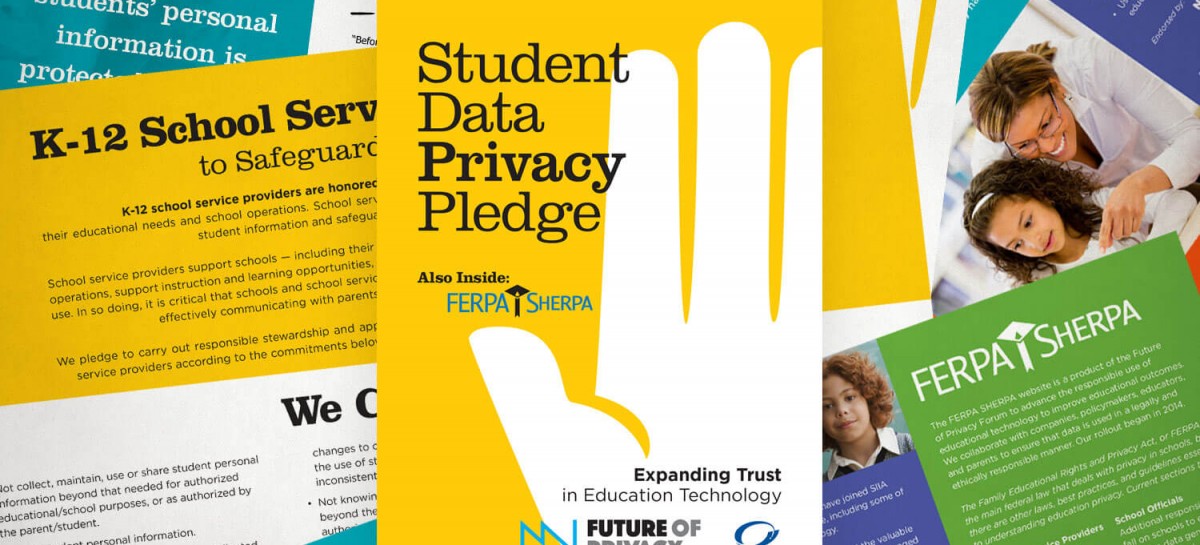
The Student Privacy Pledge is a public and legally enforceable statement by ed tech companies to safeguard student privacy, built around a dozen commitments regarding the collection, maintenance, and use of student personal information. Since it was introduced in 2014 by the Future of Privacy Forum and the Software and Information Industry Association, more than 300 ed tech companies have become signatories, and it was endorsed by the White House in 2015.
Privacy Papers 2016: Spotlight on the Winning Authors
The winners of the 2017 PPPM Award are: Law Enforcement Access to Data Across Borders: The Evolving Security and Human Rights Issues; Accountable Algorithms; The Privacy Policymaking of State Attorneys General; Privacy of Public Data; and Privacy and Data Security Harms. The Finalist Judges also selected four papers for Honorable Mention on the basis of their uniformly strong reviews from the Advisory Board.

Georgetown – FPF: Valuable Partnership and Talent Channel
Each of the last three years, FPF has taken a top Georgetown student and immersed them in the world of privacy. FPF fellows collaborate with advocates, academics, and companies and handle projects that lead to best practices, white papers, codes of conduct, and the like.
Use of Limit Ad Tracking Rises, in the US
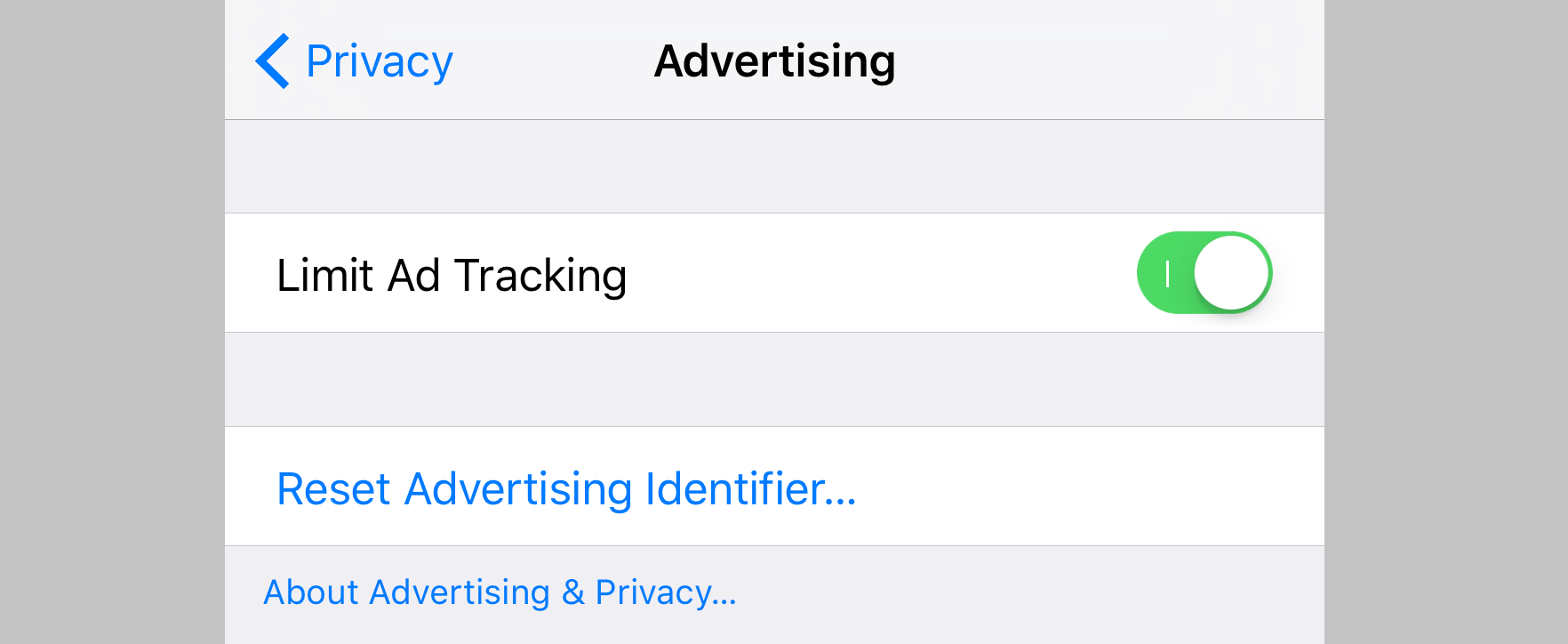
A new study about consumer use of Limit Ad Tracking indicates that the rate rose to 20% in the US. According to adjust, the previous rate of iOS users who opted out of ad tracking was 16-18%.