
Biometric technology has long been used for security and law enforcement purposes such as national security watch lists, passport controls, criminal fingerprint databases, and immigration processing. Now, however, the private sector increasingly uses these systems as a verification method for authentication that previously required a PIN or password. Apple’s decision to include a fingerprint scanner in the iPhone in 2013 brought new public awareness to possible non-law-enforcement applications of biometric technologies, and the company’s shift to facial recognition access in the most recent models further normalized the concept. Biometric technology continues to be adopted in many sectors, including financial services, transportation, health care, computer systems and facility access, and voting. In many cases, this technology is more efficient, less expensive, and easier to use than traditional alternatives, while also eliminating the need for passwords, which are broadly recognized as an insufficiently secure safeguard for user data. However, as with any digital system, there are privacy concerns around the collection, use, storage, sharing, and analysis of the data that are generated by these systems.

Rob van Eijk Discusses Trends in European Privacy Discussions
We’re talking to FPF senior policy experts about their work on important privacy issues. Today, Rob van Eijk, FPF’s Managing Director for Europe, is sharing his perspective on FPF’s EU work, differences between U.S. and EU privacy frameworks, and more. Prior to serving in his position as Managing Director for Europe at FPF, Rob worked at […]
Dr. Rachele Hendricks-Sturrup Discusses Trends in Health Data
We’re talking to FPF senior policy experts about their work on important privacy issues. Today, Dr. Rachele Hendricks-Sturrup, Health Policy Counsel, is sharing her perspective on health data and privacy. Dr. Hendricks-Sturrup has more than 12 years of experience in healthcare and biomedical research, health journalism, and engagement with digital health companies and startups. […]
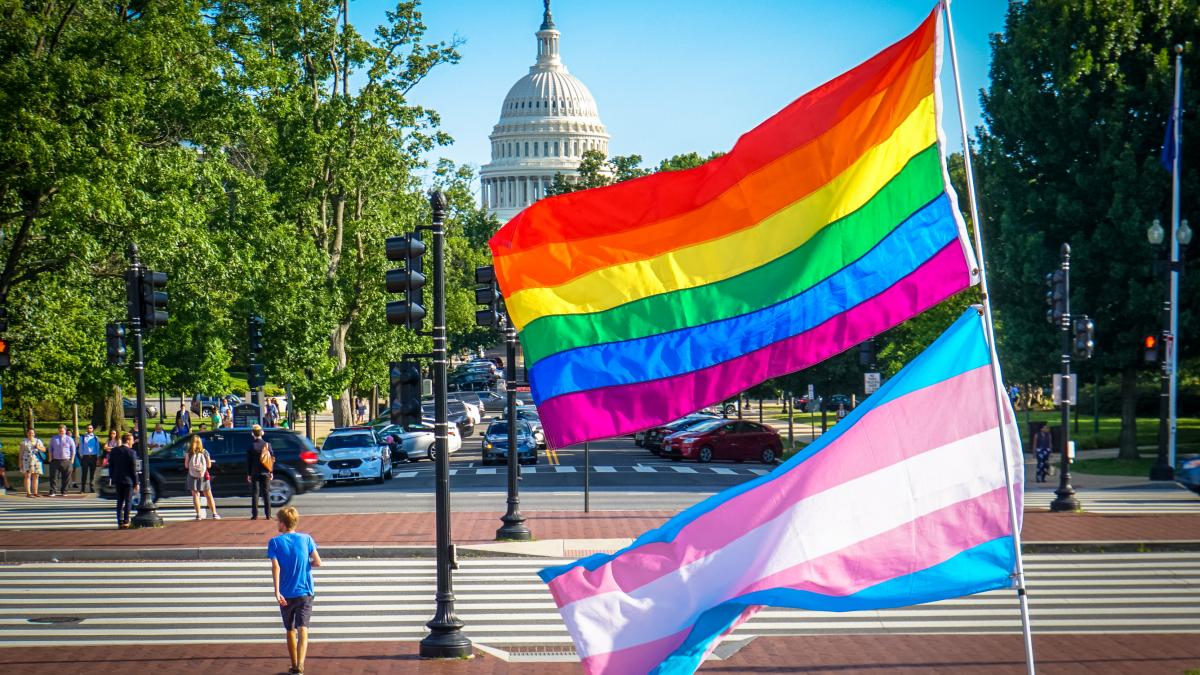
Supreme Court Rules that LGBTQ Employees Deserve Workplace Protections–More Progress is Needed to Combat Unfairness and Disparity
Authors: Katelyn Ringrose (Christopher Wolf Diversity Law Fellow) and Dr. Sara Jordan (Policy Counsel, Artificial Intelligence and Ethics) Today’s Supreme Court ruling in Bostock v. Clayton County—clarifying that Title VII of the Civil Rights Act bans employment discrimination on the basis of sexual orientation and gender identity—is a major victory in the fight for LGBTQ […]
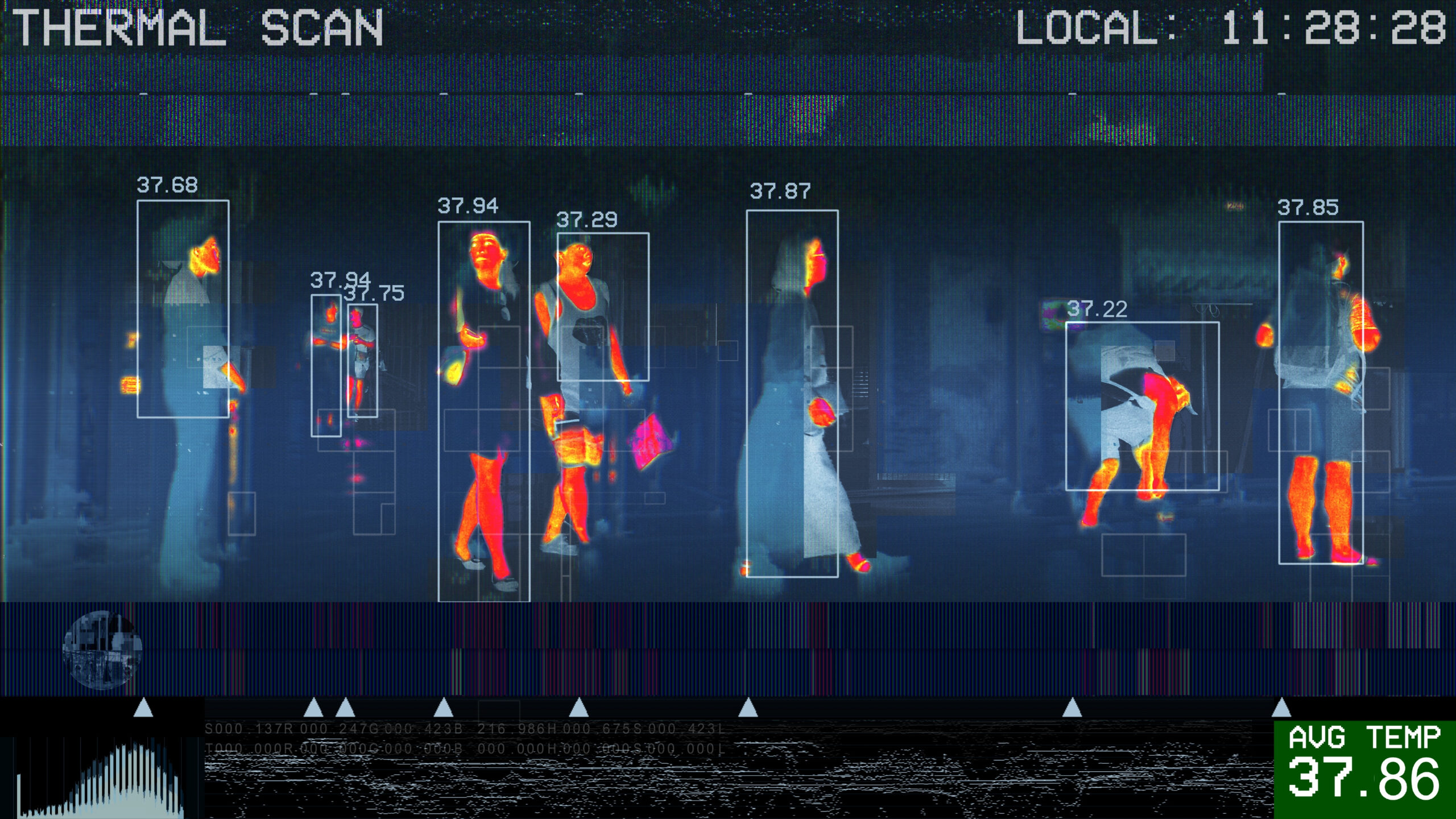
Thermal Imaging as Pandemic Exit Strategy: Limitations, Use Cases and Privacy Implications
Authors: Hannah Schaller, Gabriela Zanfir-Fortuna, and Rachele Hendricks-Sturrup Around the world, governments, companies, and other entities are either using or planning to rely on thermal imaging as an integral part of their strategy to reopen economies. The announced purpose of using this technology is to detect potential cases of COVID-19 and filter out individuals in […]
Newly Released COVID-19 Privacy Bills Would Regulate Pandemic-Related Data
By Pollyanna Sanderson (Policy Counsel), Stacey Gray (Senior Policy Counsel) & Katelyn Ringrose (Christopher Wolf Diversity Law Fellow) Yesterday afternoon, leading House and Senate Democrats introduced the Public Health Emergency Privacy Act. The Democratic-led bill, which was introduced by Senators Blumenthal and Warner, as well as Representatives Eshoo, Schakowsky and DelBene, follows the May 10th […]

Artificial Intelligence and the COVID-19 Pandemic
By Brenda Leong and Dr. Sara Jordan Machine learning-based technologies are playing a substantial role in the response to the COVID-19 pandemic. Experts are using machine learning to study the virus, test potential treatments, diagnose individuals, analyze the public health impacts, and more. Below, we describe some of the leading efforts and identify data protection […]

Close to the Finish Line: Observations on the Washington Privacy Act
By: Stacey Gray and Gabriela Zanfir-Fortuna * We wrote last week that Washington State seems poised to become the second US state to pass a major comprehensive privacy bill. The proposed Washington Privacy Act (WPA) would be mostly aligned with the EU’s GDPR, the global gold standard for data protection (although there are still some […]

EDPB Draft Guidelines on Connected Cars Focus on Data Protection by Design and Push for Consent
By Gabriela Zanfir-Fortuna and Chelsey Colbert The European Data Protection Board recently published its draft Guidelines 1/2020 on processing personal data in the context of connected vehicles and mobility related applications, which are open for feedback until March 20. The EDPB writes that the main challenge for complying with European data protection and privacy laws […]

A New U.S. Model for Privacy? Comparing the Washington Privacy Act to GDPR, CCPA, and More
By Stacey Gray, Pollyanna Sanderson, and Katelyn Ringrose Download a printable version of this report (pdf). As Congress continues to work toward drafting and passing a comprehensive national privacy law, state legislators are not slowing down. In Washington State, a new comprehensive privacy law is moving quickly: last week, the Washington Privacy Act (SSB 6281) […]
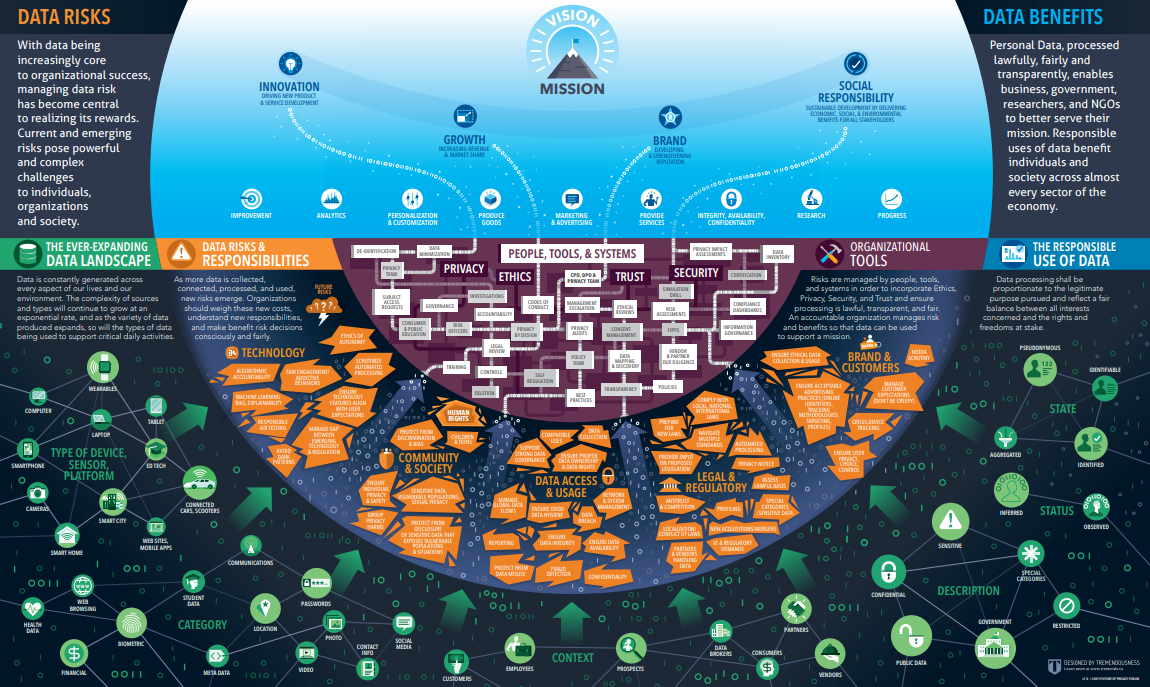
Privacy 2020: 10 Privacy Risks and 10 Privacy Enhancing Technologies to Watch in the Next Decade
Today, FPF is publishing a white paper co-authored by CEO Jules Polonetsky and hackylawyER Founder Elizabeth Renieris to help corporate officers, nonprofit leaders, and policymakers better understand privacy risks that will grow in prominence during the 2020s, as well as rising technologies that will be used to help manage privacy through the decade. Leaders must understand […]