
Mobility-related technologies are evolving rapidly, transforming the safety and convenience of transportation. Many of these new features are enabled by the collection of new types of data, putting the topic of privacy in connected cars and other modes of transportation on the agenda of industry, policymakers, and regulators. Advancing sensible practices will be essential to ensure that the collection and use of this data is responsible, thoughtful, and communicated effectively to consumers.









Driver Impairment and Privacy: What Lies Ahead for Driver Impairment Detection?
The 2021 Infrastructure Act mandates that the US Department of Transportation issue a rule requiring the creation and implementation of monitoring systems to deter drivers impaired by alcohol, inattention, or drowsiness. The Department of Transportation (DOT) must establish a Federal mandatory motor vehicle safety standard to “passively monitor a motor vehicle driver’s performance to accurately […]

Record Set: Assessing Points of Emphasis from Public Input on the FTC’s Privacy Rulemaking
More than 1,200 law firms, advocacy organizations, trade associations, companies, researchers, and others responded to the Federal Trade Commission’s Advance Notice of Proposed Rulemaking (ANPR) on “Commercial Surveillance and Data Security.” Significantly, the ANPR initiates a process that may result in comprehensive regulation of data privacy and security in the United States, and also marks […]

Five Big Questions (and Zero Predictions) for the U.S. State Privacy Landscape in 2023
Entering 2023, the United States remains one of the only global economic powers that lacks a comprehensive, national framework governing the collection and use of consumer data throughout the economy. Congress made unprecedented progress toward enacting baseline privacy legislation in 2022. However, the apparent impasse in the efforts to move H.R. 8152, the American Data […]

Understanding Extended Reality Technology & Data Flows: XR Functions
This post is the first in a two-part series on extended reality (XR) technology, providing an overview of the technology and associated privacy and data protection risks. Click here for FPF’s infographic, “Understanding Extended Reality Technology & Data Flows.” I. Introduction Today’s virtual (VR), mixed (MR), and augmented (AR) reality environments, collectively known as extended […]

California Age-Appropriate Design Code Aims to Address Growing Concern About Children’s Online Privacy and Safety
Authors: Chloe Altieri, Kewa Jiang Kewa Jiang, CIPP/US, is a 2021 graduate of USC Gould School of Law and a Student Contractor with FPF’s Youth and Education Privacy team. On May 26, 2022, AB-2273, the California Age-Appropriate Design Code Act (ADCA) unanimously passed the California Assembly and moved to the Senate for consideration. California Assembly […]

Report Outlines Key Privacy Considerations for Video-Based Safety Systems in Vehicles
Despite fewer vehicle miles traveled as a result of the COVID-19 pandemic, an estimated 38,680 individuals died in motor vehicle accidents in 2020 — the largest projected number of fatalities in such accidents in over a decade. Washington, D.C.-based non-profit Future of Privacy Forum (FPF) released a report detailing the data usage and privacy implications […]

FPF at CPDP 2022: Panels and Side Events
As the annual Computers, Privacy and Data Protection (CPDP) conference took place in Brussels between May 23 and 25, several Future of Privacy Forum (FPF) staff took part in different panels and events organized by FPF or other organizations before and during the conference. In this blogpost, we provide an overview of such events, with […]
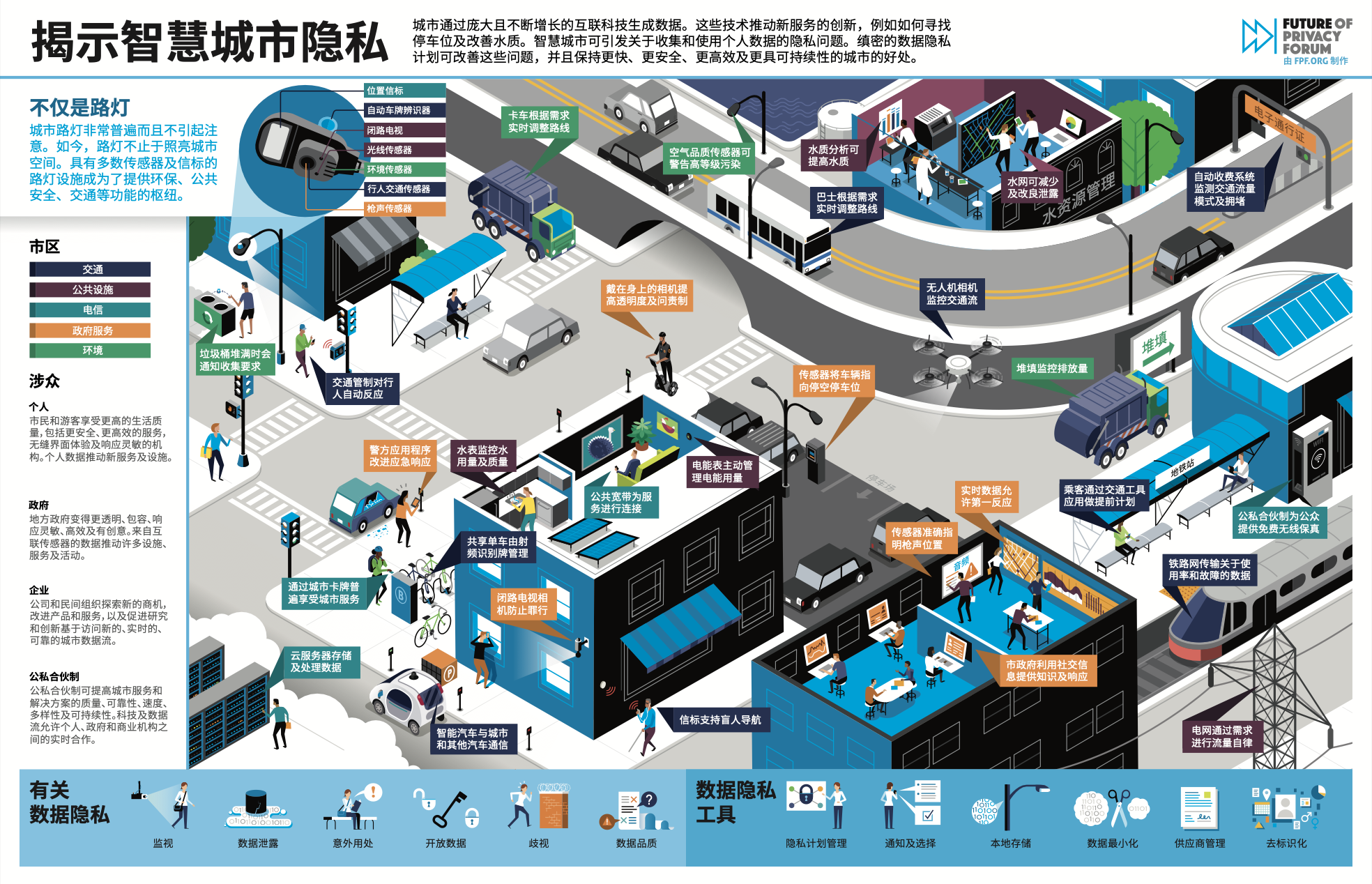
FPF Launches Infographics in Chinese
As FPF’s work expands to include an international audience, we are pleased to relaunch FPF’s popular infographics in various languages. Because conversations around data protection have become more global, the need for high-quality information and new forms of communication in different languages continues to increase. The infographics translation project aims to help FPF provide a […]

How the Kenyan High Court (temporarily) struck down the national digital ID Card: Context and Analysis
The High Court of Kenya, by virtue of a judicial review application, delivered a landmark judgment declaring the proposed national digital ID card (Huduma Card) unconstitutional on October 14, 2021 – a judgment that is now part of the growing data protection and privacy jurisprudence in the country. Kenya enacted its first Data Protection Act […]

Privacy Best Practices for Rideshare Drivers Using Dashcams
FPF & Uber Publish Guide Highlighting Privacy Best Practices for Drivers who Record Video and Audio on Rideshare Journeys FPF and Uber have created a guide for US-based rideshare drivers who install “dashcams” – video cameras mounted on a vehicle’s dashboard or windshield. Many drivers install dashcams to improve safety, security, and accountability; the cameras […]