

FPF Hires New Policy Counsel – Amelia Vance
We are thrilled to welcome Amelia Vance to Future of Privacy Forum (FPF) as of November 7, 2016, as Policy Counsel. In this position, Amelia will lead FPF’s work to ensure the responsible use of student data and education technology in schools, helping educators with resources and information, and seeking inputs from all stakeholders to ensure students succeed.
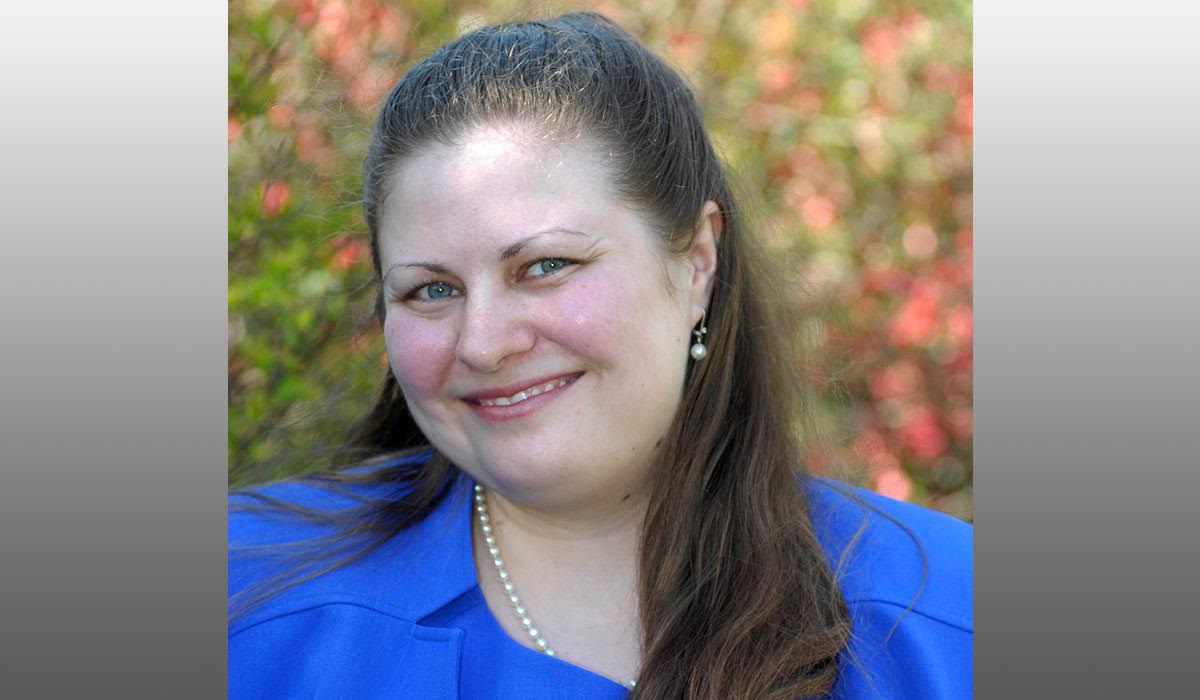
Future of Privacy Forum Welcomes New Leader for Student Data Privacy Program
Washington, DC – Today, the Future of Privacy Forum (FPF) announced that Amelia Vance has joined the organization as Policy Counsel. Her portfolio includes student privacy for K-12 and Higher Education environments, and education technology initiatives. Vance leads FPF’s work to ensure the responsible use of student data and education technology in schools, helping educators with resources and information, and seeking inputs from all stakeholders to ensure students succeed.
7th Annual Privacy Papers for Policymakers
We look forward to an exciting program of thought leadership, including academic guest speakers and the authors of this year’s PPPM scholarship (announced & awarded in November), who will engage with policymakers in a discussion of academic ideas with practical real-world impact.

FPF Talks Corporate Email Security with NPR
On November 1, 2016, Jules Polonetsky was featured on NPR’s Marketplace to discuss corporate email security. In light of recent hacks, it is imperative for companies to educate employees about best practices. Jules discussed the importance of two-factor authentication for log ins and encouraged employees to use strong passwords.
FPF Commends New America's Report on Predictive Analytics in Higher Education
New America released a report today that addresses the use of data in higher ed analytics – predicting student outcomes and managing university academic programs based on prior data. The growing ability to gather and analyze this data allows colleges to intervene with students struggle, put in place mentoring programs, create support structures addressing “whole student” welfare, ultimately improving academic outcomes and graduation rates.

Future of Privacy Forum and Carnegie Mellon University Research Leads to New Tool from California Attorney General
Last week, California’s Attorney General, Kamala D. Harris, (‘Attorney General Harris’) announced the release of a new form that allows consumers to report potential violations of the California Online Privacy Protection Act (CalOPPA) by websites and online services.
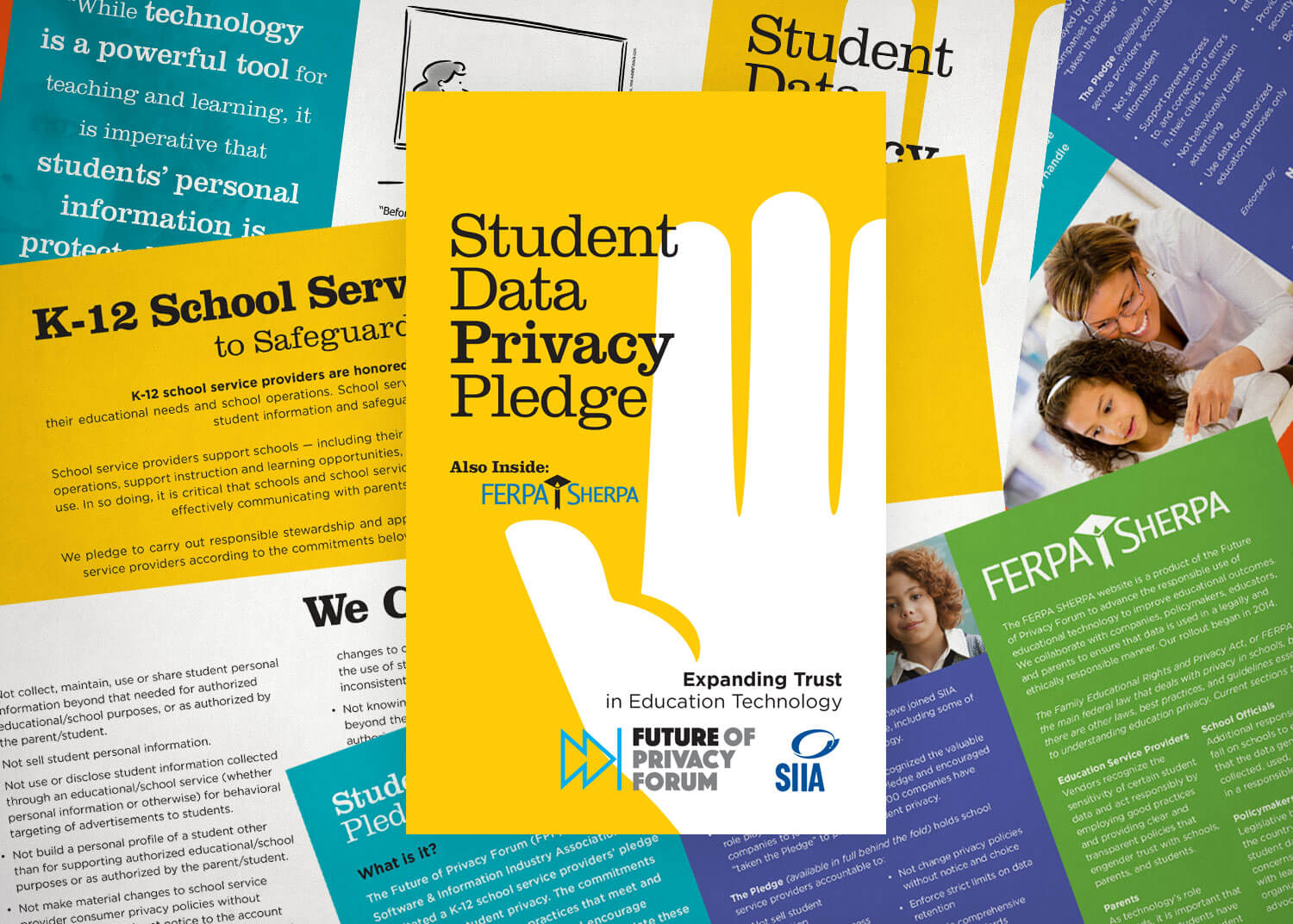
Student Privacy Pledge Loopholes? Nope. We Did Our Homework.
The Student Privacy Pledge was introduced over two years ago by the Future of Privacy Forum and the Software and Information Industry Association. It was endorsed by the White House and published at the forefront of the movement to clarify responsible practices in the collection, protection, and use of student data as the presence of technology in schools expanded. The Pledge has since been signed by more than 300 ed tech companies as a way to help demonstrate their commitment to student privacy.
A National Challenge: Advancing Privacy While Preserving the Utility of Data
Addressing “privacy” increasingly involves discussions of ethics, philosophy, and psychology along with law, economics, and technology. Finding an approach to future privacy concerns that supports the benefits of technology without compromising individual rights is an increasingly complex challenge.
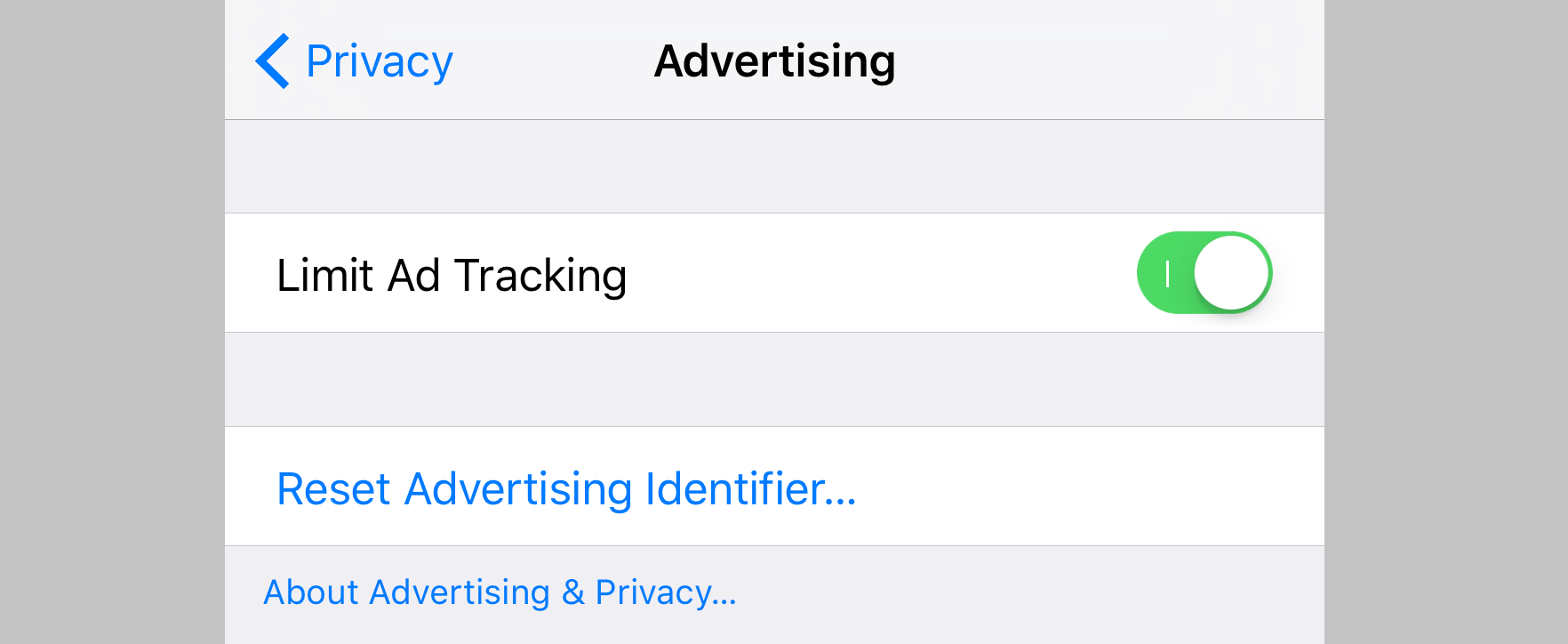
Use of Limit Ad Tracking Rises, in the US
A new study about consumer use of Limit Ad Tracking indicates that the rate rose to 20% in the US. According to adjust, the previous rate of iOS users who opted out of ad tracking was 16-18%.
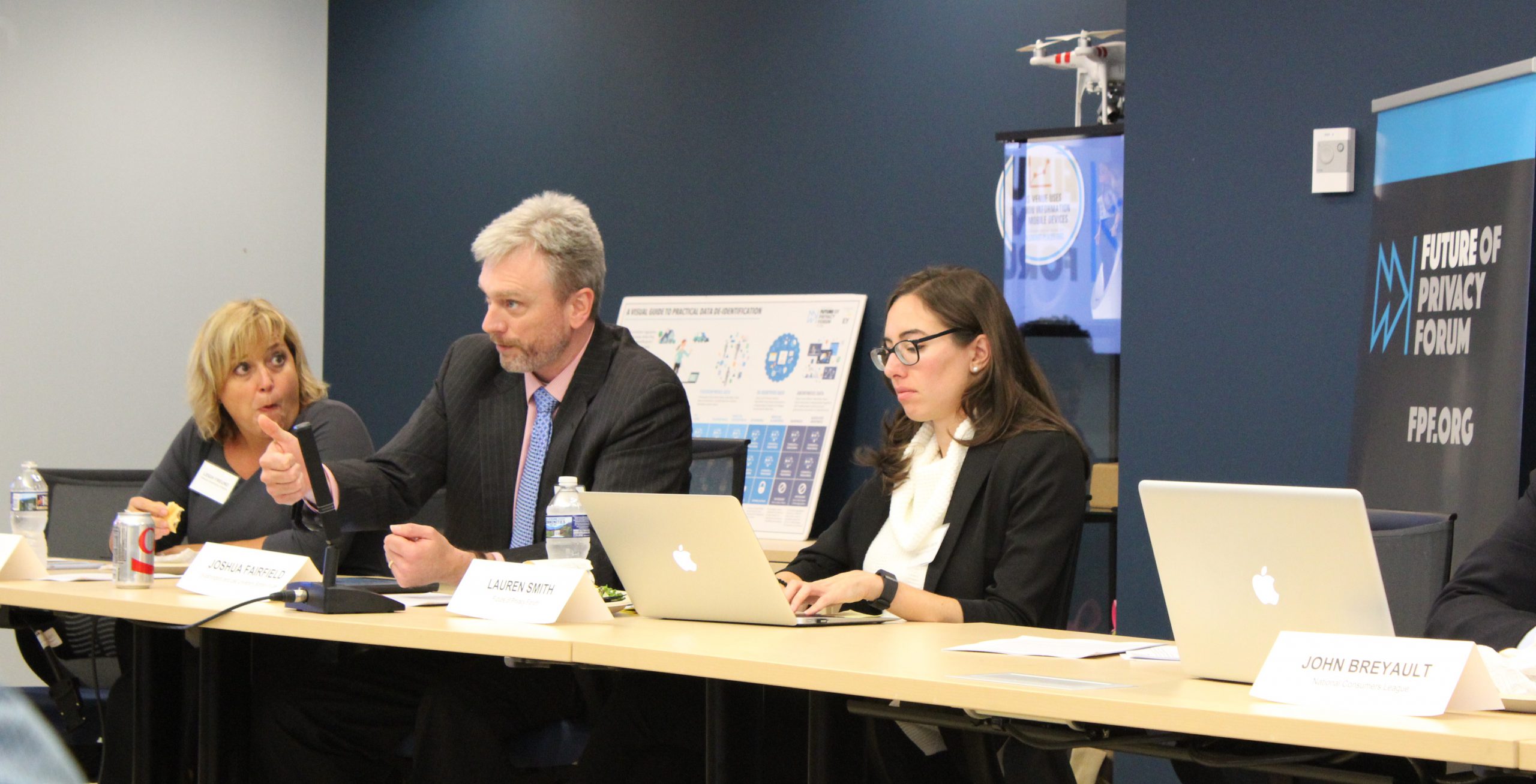
A Discussion of "Owned: How the Internet of Things Took Our Property and Privacy"
On October 6, 2016, Professor Joshua Fairfield from the Washington and Lee University School of Law joined us to discuss a chapter from his upcoming book, “Owned: How the Internet of Things Took Our Property and Privacy.”