
Recent
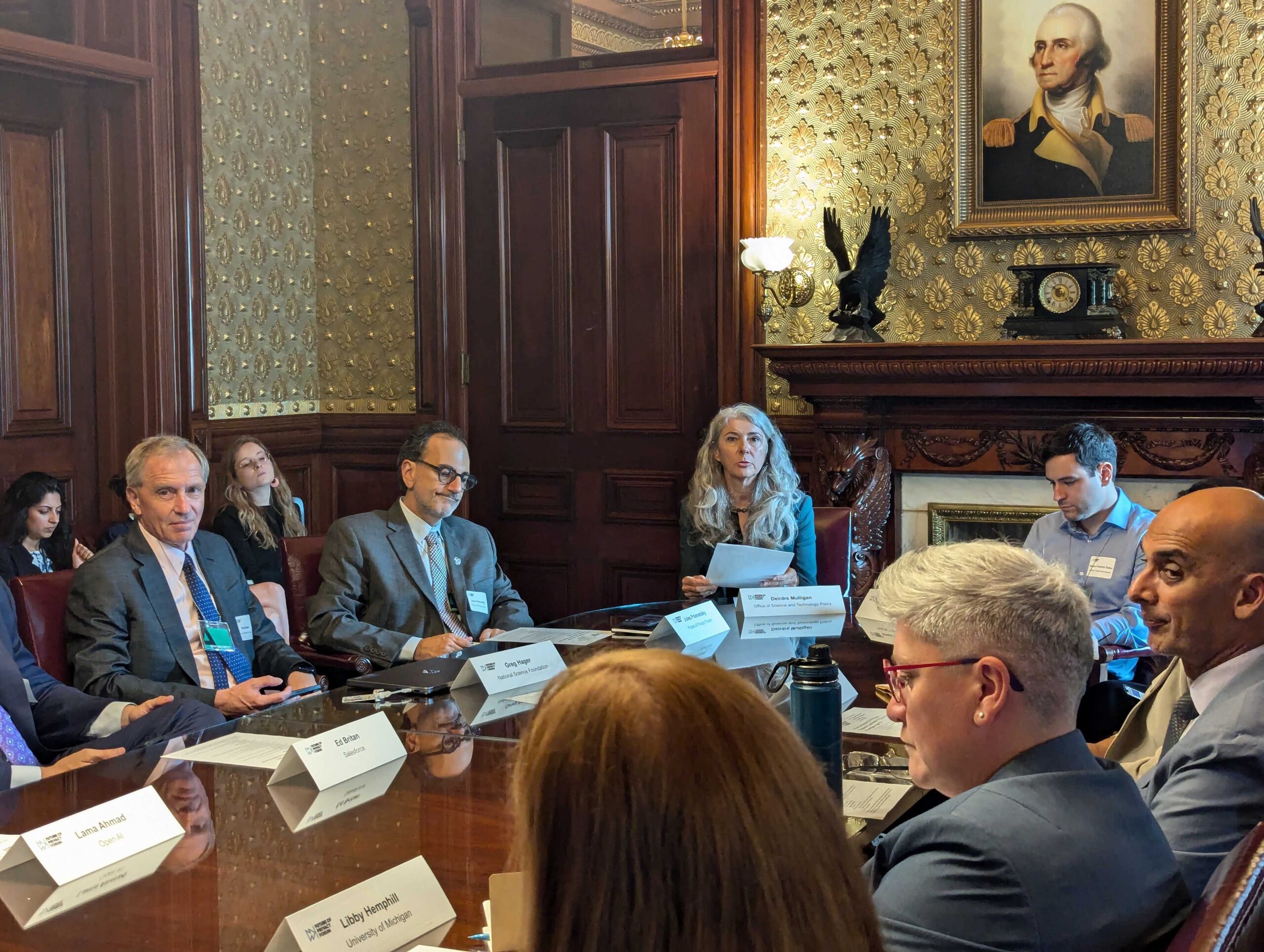
Connecting Experts to Make Privacy-Enhancing Tech and AI Work for Everyone
The Future of Privacy Forum (FPF) launched its Research Coordination Network (RCN) for Privacy-Preserving Data Sharing and Analytics on Tuesday, July 9th. The RCN supports the Biden-Harris Administration’s commitments to privacy, equity, and safety articulated in the administration’s Executive Order on Artificial Intelligence (AI). Industry experts, policymakers, civil society, and academics met to discuss the […]

NEW FPF REPORT: Confidential Computing and Privacy: Policy Implications of Trusted Execution Environments
Written by Judy Wang, FPF Communications Intern Today, the Future of Privacy Forum (FPF) published a paper on confidential computing, a privacy-enhancing technology (PET) that marks a significant shift in the trustworthiness and verifiability of data processing for the use cases it supports, including training and use of AI models. Confidential computing leverages two key […]

A First for AI: A Close Look at The Colorado AI Act
Colorado made history on May 17, 2024 when Governor Polis signed into law the Colorado Artificial Intelligence Act (“CAIA”), the first law in the United States to comprehensively regulate the development and deployment of high-risk artificial intelligence (“AI”) systems. The law will come into effect on February 1, 2026, preceding the March, 2026 effective date […]

FPF Launches Effort to Advance Privacy-Enhancing Technologies in Support of AI Executive Order, Convenes Experts, and Meets With White House
FPF’s Research Coordination Network will support developing and deploying Privacy-Enhancing Technologies (PETs) for socially beneficial data sharing and analytics. JULY 9, 2024 — Today, the Future of Privacy Forum (FPF) is launching the Privacy-Enhancing Technologies (PETs) Research Coordination Network (RCN) with a virtual convening of diverse experts alongside a high-level, in-person workshop with key stakeholders […]

Chevron Decision Will Impact Privacy and AI Regulations
The Supreme Court has issued a 6-3 decision in two long-awaited cases – Loper Bright Enterprises v. Raimondo and Relentless, Inc. v. Department of Commerce – overturning the legal doctrine of “Chevron deference.” While the decision will impact a wide range of federal rules, it is particularly salient for ongoing privacy, data protection, and artificial […]
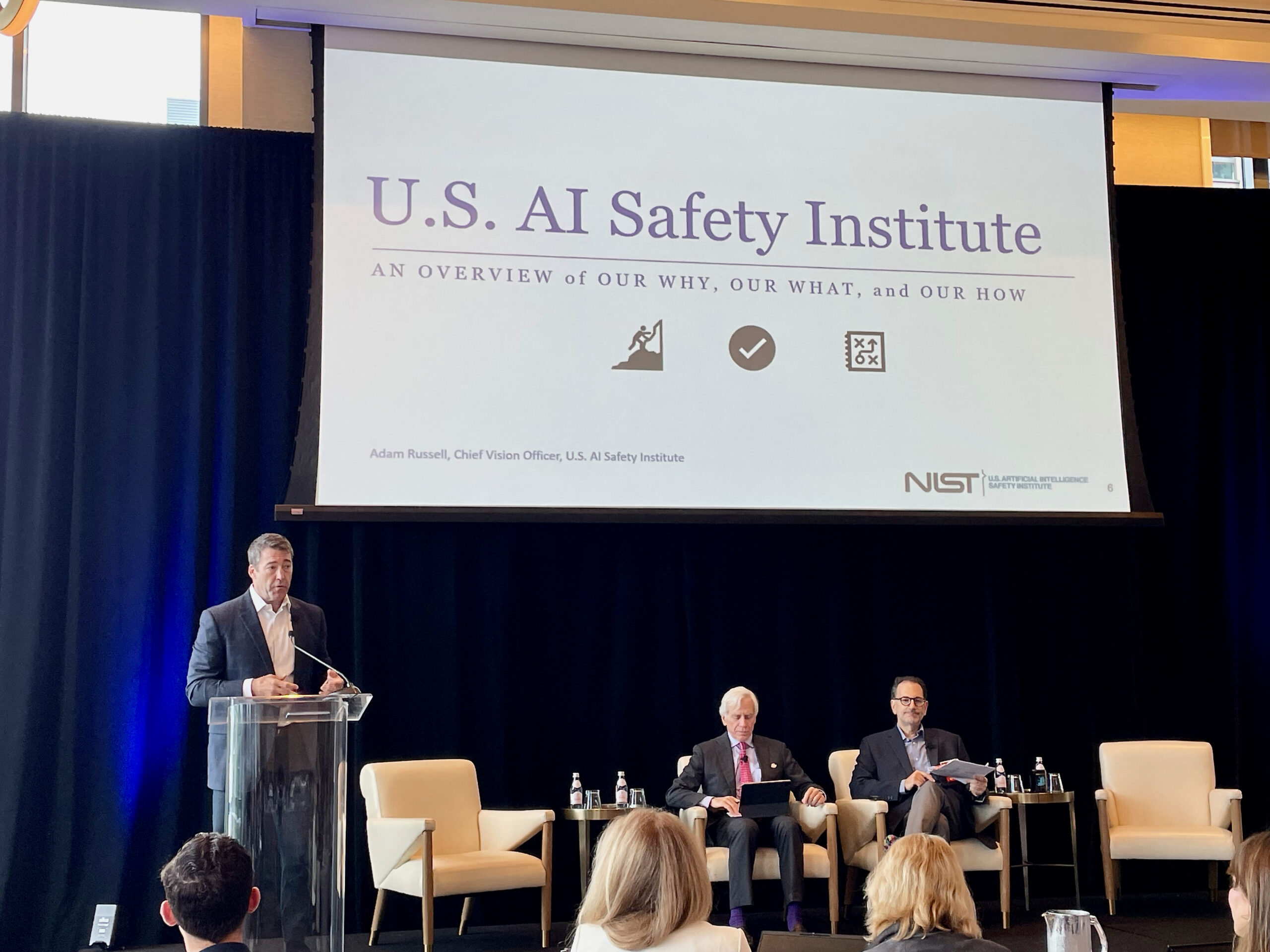
AI Forward: FPF’s Annual DC Privacy Forum Explores Intersection of Privacy and AI
The Future of Privacy Forum (FPF) hosted its inaugural DC Privacy Forum: AI Forward on Wednesday, June 5th. Industry experts, policymakers, civil society, and academics explored the intersection of data, privacy, and AI. In Washington, DC’s southwest Waterfront at the InterContinental, participants joined in person for a full-day program consisting of keynote panels, AI talks, […]

The World’s First Binding Treaty on Artificial Intelligence, Human Rights, Democracy, and the Rule of Law: Regulation of AI in Broad Strokes
The Council of Europe’s (CoE) Framework Convention on Artificial Intelligence and Human Rights, Democracy, and the Rule of Law (Framework Convention on AI) was adopted on 17 May 2024, after two years of drafting and negotiation. This is the world’s first binding treaty on AI, focusing on protecting human rights, democracy and the rule of […]

Newly Updated Guidance: FPF Releases Updates to the Generative AI Internal Policy Considerations Resource to Provide New Key Lessons For Practitioners
Today, the Future of Privacy Forum (FPF) Center for Artificial Intelligence is releasing a newly updated version of our Generative AI internal compliance document – Generative AI for Organizational Use: Internal Policy Considerations, with new content addressing organizations’ ongoing responsibilities, specific concerns (e.g., high-risk uses), and lessons taken from recent regulatory enforcement related to these technologies. […]
Future of Privacy Forum Launches the FPF Center for Artificial Intelligence
The FPF Center for Artificial Intelligence will serve as a catalyst for AI policy and compliance leadership globally, advancing responsible data and AI practices for public and private stakeholders Today, the Future of Privacy Forum (FPF) launched the FPF Center for Artificial Intelligence, established to better serve policymakers, companies, non-profit organizations, civil society, and academics […]
New Report Examines Generative AI Governance Frameworks Across the Asia-Pacific Region
May 23, 2024 — Future of Privacy Forum today announced the launch of a comprehensive report, “Navigating Governance Frameworks for Generative AI Systems in the Asia-Pacific.” This report examines the current state of governance frameworks for generative AI systems in five countries in the Asia-Pacific (APAC) region: Australia, China, Japan, Singapore, and South Korea. The […]