
Biometric technology has long been used for security and law enforcement purposes such as national security watch lists, passport controls, criminal fingerprint databases, and immigration processing. Now, however, the private sector increasingly uses these systems as a verification method for authentication that previously required a PIN or password. Apple’s decision to include a fingerprint scanner in the iPhone in 2013 brought new public awareness to possible non-law-enforcement applications of biometric technologies, and the company’s shift to facial recognition access in the most recent models further normalized the concept. Biometric technology continues to be adopted in many sectors, including financial services, transportation, health care, computer systems and facility access, and voting. In many cases, this technology is more efficient, less expensive, and easier to use than traditional alternatives, while also eliminating the need for passwords, which are broadly recognized as an insufficiently secure safeguard for user data. However, as with any digital system, there are privacy concerns around the collection, use, storage, sharing, and analysis of the data that are generated by these systems.


China’s New Comprehensive Data Protection Law: Context, Stated Objectives, Key Provisions
The National People’s Congress (NPC) of China adopted on August 20, 2021 the first Chinese comprehensive data protection law, the Personal Information Protection Law (PIPL), less than a year after the first draft of the law was published. The NPC thus concluded its legislative process that saw two additional markups of the law since October […]

Now, On the Internet, EVERYONE Knows You’re a Dog
Digital identity systems vary in complexity. At its most basic, a digital ID would simply recreate a physical ID in a digital format, whereasa fully integrated digital identity system would provide a platform for a complete wallet and verification process, usable both online and in the physical world.
At the intersection of AI and Data Protection law: Automated Decision-Making Rules, a Global Perspective (CPDP LatAm Panel)
On Thursday, 15th of July 2021, the Future of Privacy Forum (FPF) organised during the CPDP LatAm Conference a panel titled ‘At the Intersection of AI and Data Protection law: Automated Decision Making Rules, a Global Perspective’. The aim of the Panel was to explore how existing data protection laws around the world apply to profiling and automated decision making practices.
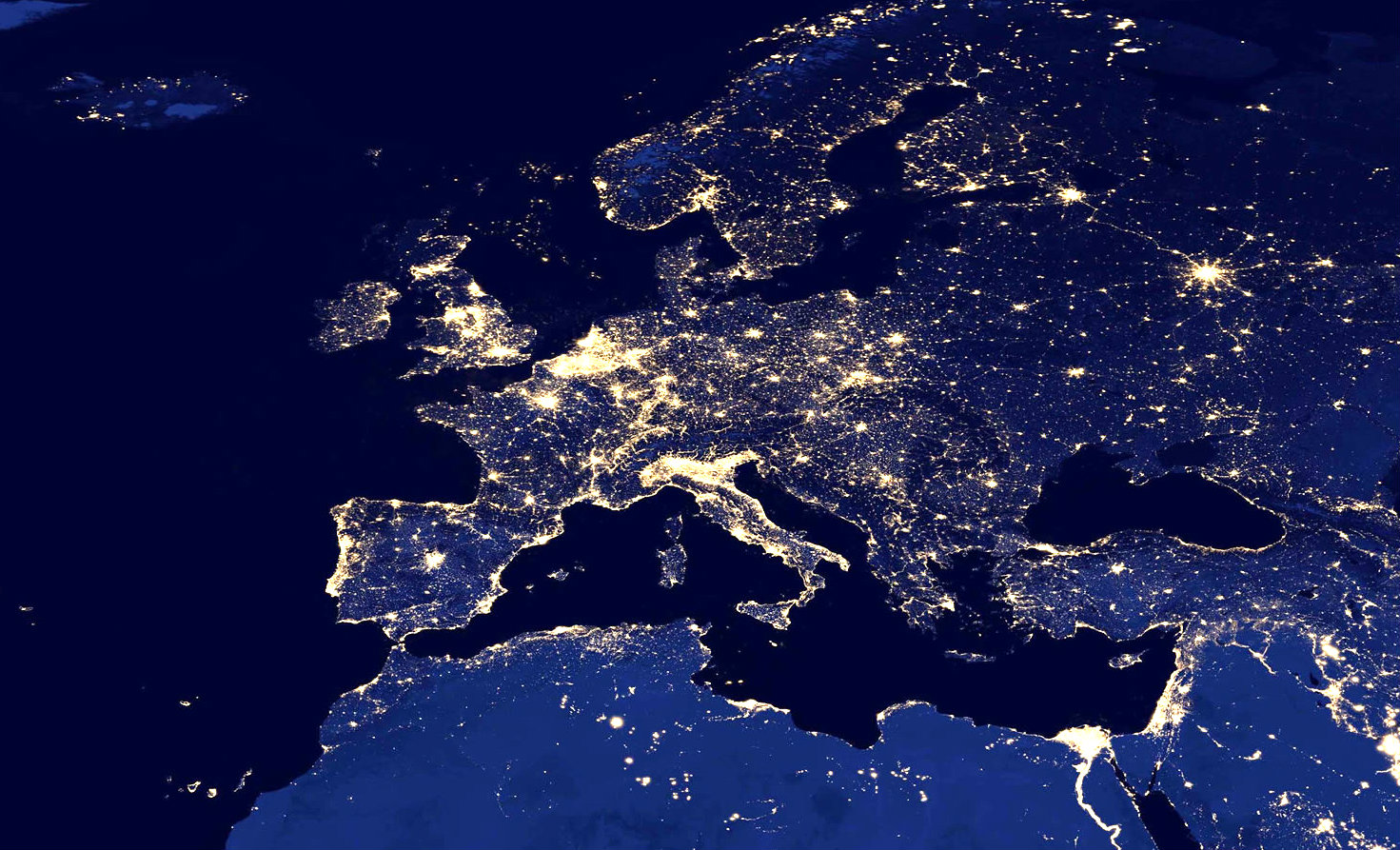
Insights into the Future of Data Protection Enforcement: Regulatory Strategies of European Data Protection Authorities for 2021-2022
The Future of Privacy Forum released a report that brings “Insights into the future of data protection enforcement: Regulatory strategies of European Data Protection Authorities for 2021-2022”. The European Data Protection Authorities (DPAs) are arguably the most powerful data protection and privacy regulators in the world, having been granted by the European Union’s General Data […]
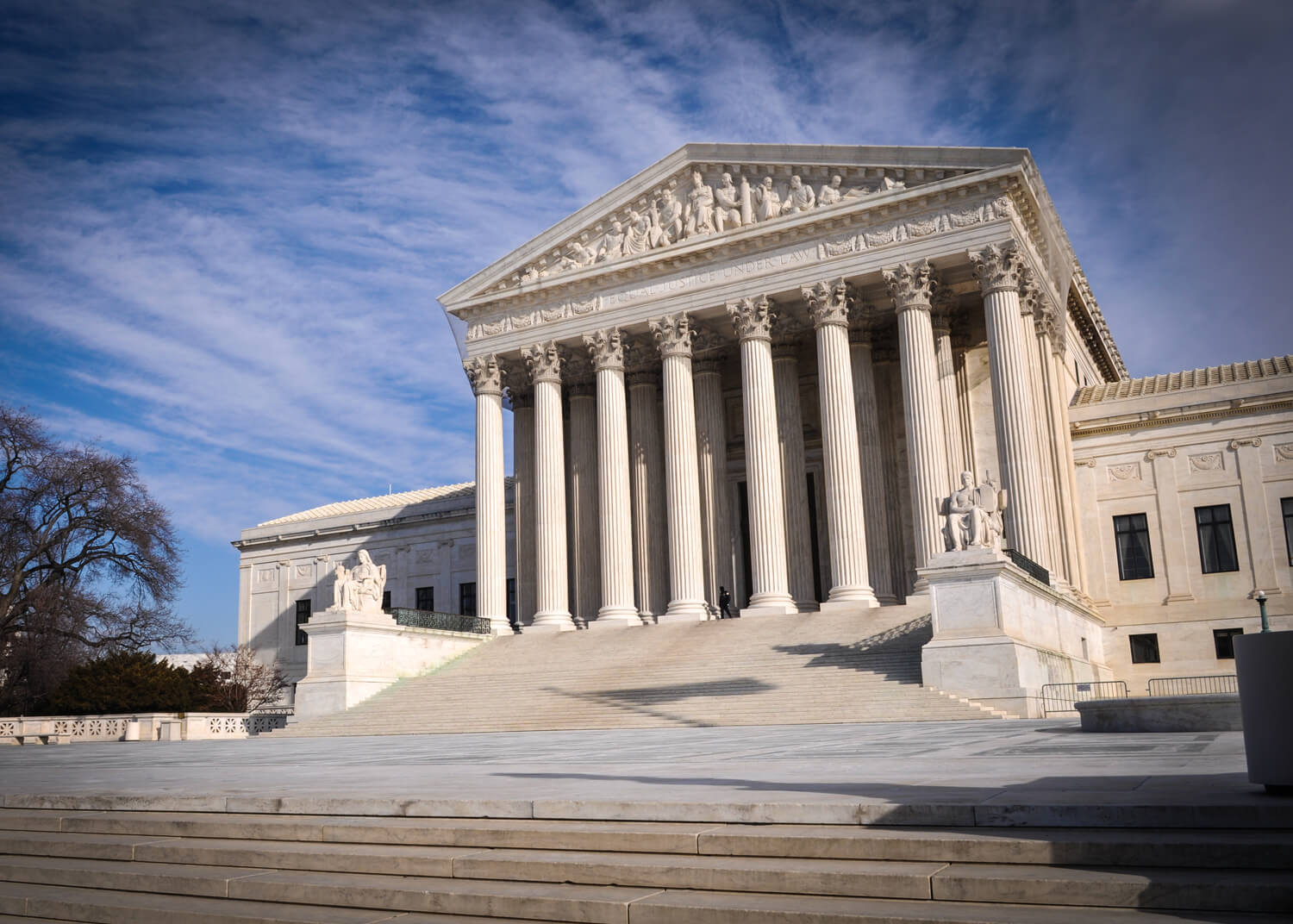
Lessons for a Federal Private Right of Action in US Privacy Law after TransUnion LLC v. Ramirez
In June 2021, the Supreme Court handed down TransUnion v. Ramirez, 594 U.S. ___ (2021), its latest decision concerning Article III standing, which determines a plaintiff’s eligibility to sue in federal court. Even when a federal law expressly creates a private right of action to enforce a federal right or other violation of the law, […]

Navigating Preemption through the Lens of Existing State Privacy Laws
This post is the second of two posts on federal preemption and enforcement in United States federal privacy legislation. See Preemption in US Privacy Laws (June 14, 2021). In drafting a federal baseline privacy law in the United States, lawmakers must decide to what extent the law will override state and local privacy laws. In […]
FPF Issues Award for Research Data Stewardship to Stanford Medicine & Empatica, Google & Its Academic Partners
WASHINGTON, DC (June 29, 2021) – The second-annual FPF Award for Research Data Stewardship honors two teams of researchers and corporate partners for their commitment to privacy and ethical uses of data in their efforts to research aspects of the COVID-19 pandemic. One team is a collaboration between Stanford Medicine researchers led by Tejaswini Mishra, PhD, Professor […]
Research from Stanford Medicine and Empatica, Inc: Early Detection of COVID-19 Using Empatica Smartwatch Data
Tejaswini Mishra, PhD, Michael Snyder, PhD, Erika Mahealani Hunting, Alessandra Celli, Arshdeep Chauhan, and Jessi Wanyi Li from the Stanford University School of Medicine’s Department of Genetics, and Empatica Inc. are the recipients of the second-annual FPF Award for Research Data Stewardship. The collaboration between the research team from Stanford Medicine and Empatica, a medical […]
ITPI Event Recap – The EU Data Strategy and the Draft Data Governance Act
On May 19, 2021, the Israel Tech Policy Institute (ITPI), an Affiliate of The Future of Privacy Forum (FPF), hosted, together with the Tel Aviv University, The Stewart & Judy Colton Law and Innovation Program, an online event on the European Union’s (EU) Data Strategy and the Draft Data Governance Act (DGA). The draft DGA […]

Colorado Privacy Act Passes Legislature: Growing Inconsistencies Ramp Up Pressure for Federal Privacy Law
Today, the Colorado Senate approved the House version of the Colorado Privacy Act (SB21-190) that passed yesterday, on June 7. If approved by Governor Jared Polis, Colorado will follow Virginia and California as the third U.S. state to establish baseline legal protections for consumer privacy. “Although the Colorado Privacy Act contains notable advances that build […]