
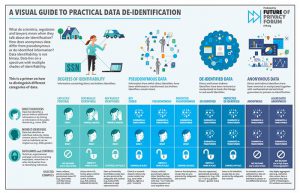
One key method for ensuring privacy while processing large amounts of data is de-identification. De-identified data refers to data through which a link to a particular individual cannot be established. This often involves “scrubbing” the identifiable elements of personal data, making it “safe” in privacy terms while attempting to retain its commercial and scientific value.
In the era of big data, the debate over the definition of personal information, de-identification and re-identification has never been more important. Privacy regimes often rely on data being considered Personal in order to require the application of privacy rights and protections. Data that is anonymous is considered free of privacy risk and available for public use.
Yet much data that is collected and used exists somewhere on a spectrum between these stages. FPF’s De-ID Project has examined practical frameworks for applying privacy restrictions to data based on the nature of data that is collected, the risks of de-identification, and the additional legal and administrative protections that may be applied.

New Report on Limits of “Consent” in South Korea’s Data Protection Law
Today, the Future of Privacy Forum (FPF) and Asian Business Law Institute (ABLI) – as part of their ongoing joint research project: “From Consent-Centric Data Protection Frameworks to Responsible Data Practices and Privacy Accountability in Asia Pacific” – are publishing a second report in their series of detailed jurisdiction reports on the status of “consent” […]

FPF at CPDP 2022: Panels and Side Events
As the annual Computers, Privacy and Data Protection (CPDP) conference took place in Brussels between May 23 and 25, several Future of Privacy Forum (FPF) staff took part in different panels and events organized by FPF or other organizations before and during the conference. In this blogpost, we provide an overview of such events, with […]
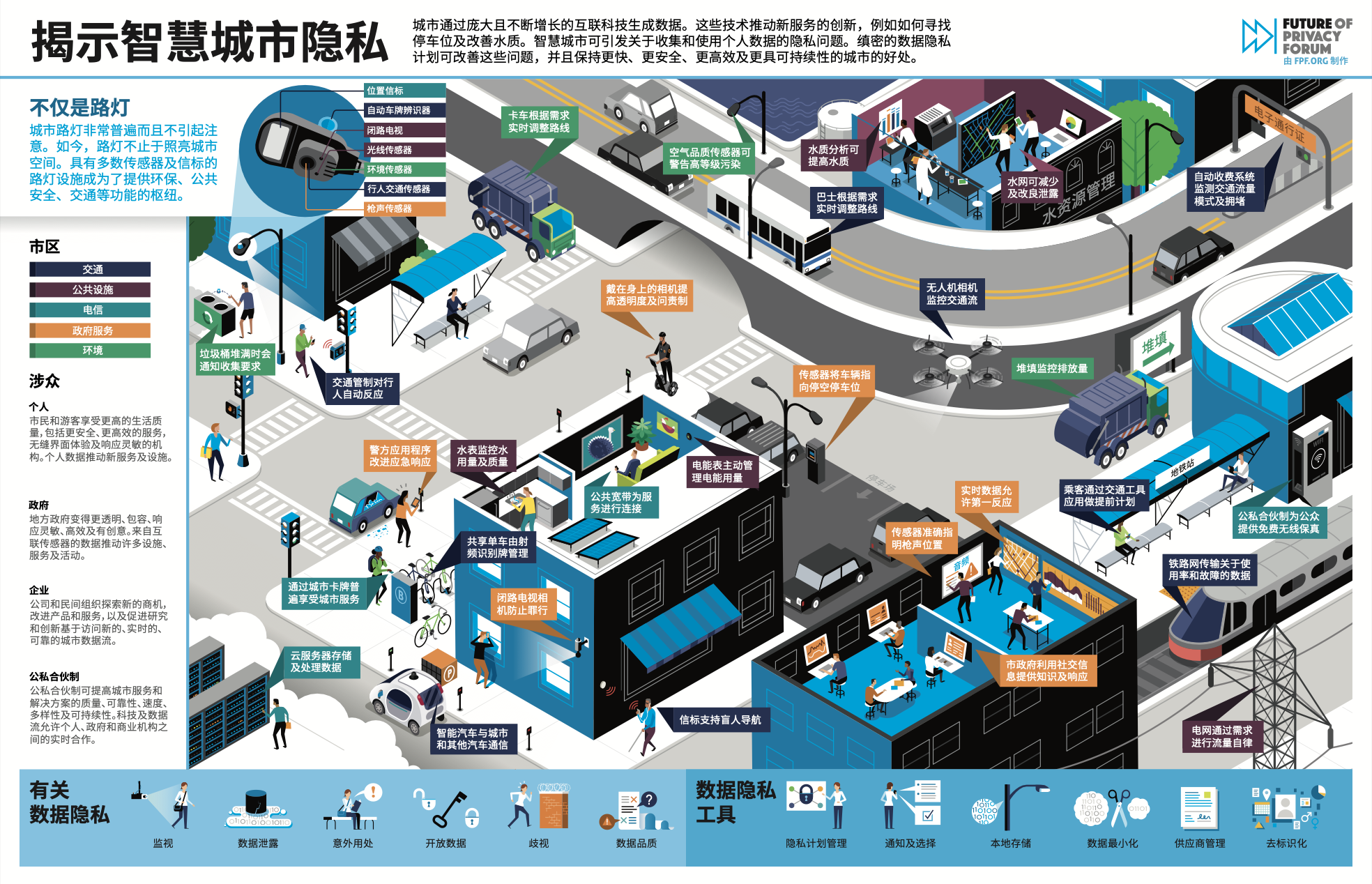
FPF Launches Infographics in Chinese
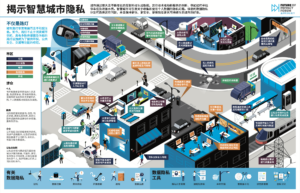
As FPF’s work expands to include an international audience, we are pleased to relaunch FPF’s popular infographics in various languages. Because conversations around data protection have become more global, the need for high-quality information and new forms of communication in different languages continues to increase. The infographics translation project aims to help FPF provide a […]

BCI Technical and Policy Recommendations to Mitigate Privacy Risks
This is the final post of a four-part series on Brain-Computer Interfaces (BCIs), providing an overview of the technology, use cases, privacy risks, and proposed recommendations for promoting privacy and mitigating risks associated with BCIs. Click here for FPF and IBM’s full report: Privacy and the Connected Mind. In case you missed them, read the […]

Overcoming Hurdles to Effective Data Sharing for Researchers
In 2021, challenges faced by academics in accessing corporate data sets for research and the issues that companies were experiencing to make privacy-respecting research data available broke into the news. With its long history of research data sharing, FPF saw an opportunity to bring together leaders from the corporate, research, and policy communities for a conversation […]
FPF in 2021: Delivering Privacy Insights & Expert Analysis
With the last days of 2021 upon us, we wanted to take a moment to reflect on this exciting year that saw FPF expand its presence both domestically and around the globe, while producing engaging events, thought-provoking analysis, and insightful reports with real-world impact. Growing Global Expertise The scope of FPF’s international work continued to […]

“Are crumbles all that remains of the cookies?” A conversation on the future of ad tech at the Nordic Privacy Arena 2021
On September 27 and 28, 2021, the Swedish Data Protection Forum (Forum för Dataskydd) hosted the 2021 edition of the Nordic Privacy Arena (“Operationalising Data Privacy – Challenges, best practices, and success stories”) in Stockholm, Sweden. This hybrid event brought together privacy practitioners, watchdogs, and academics to debate some of the most pressing issues regarding […]

FPF Files Comments on CPRA Initial Rulemaking
Yesterday, the Future of Privacy Forum filed comments with the California Privacy Protection Agency on the initial rulemaking under the California Privacy Rights Act (CPRA). The CPRA, which comes into effect in 2023, provides protections for sensitive personal information, expands the California Consumer Privacy Act’s opt-out rights, and requires businesses to provide mechanisms for individuals […]

UPDATE: China’s Car Privacy and Security Regulation is Effective on October 1, 2021
On August 20, 2021, the Cyberspace Administration of China (CAC) released an updated regulation on car privacy and data security that comes into force on October 1, 2021.

China’s New Comprehensive Data Protection Law: Context, Stated Objectives, Key Provisions
The National People’s Congress (NPC) of China adopted on August 20, 2021 the first Chinese comprehensive data protection law, the Personal Information Protection Law (PIPL), less than a year after the first draft of the law was published. The NPC thus concluded its legislative process that saw two additional markups of the law since October […]