
Education is changing. New technologies are allowing information to flow within schools and beyond, enabling new learning environments and providing new tools to improve the way teachers teach and the way students learn. Data-driven innovations are bringing advances in teaching and learning but are accompanied by concerns about how education data, particularly student-generated data, are being collected and used.
The Future of Privacy Forum believes that there are critical improvements to learning that are enabled by data and technology, and that the use of data and technology is not antithetical to protecting student privacy. In order to facilitate this balance, FPF equips and connects advocates, industry, policymakers, and practitioners with substantive practices, policies, and other solutions to address education privacy challenges at both the K-12 and higher ed levels.





FPF releases Issue Brief on Brazil’s Digital ECA: new paradigm of safety & privacy for minors online
This Issue Brief analyzes Brazil’s recently enacted children’s online safety law, summarizing its key provisions and how they interact with existing principles and obligations under the country’s general data protection law (LGPD). It provides insight into an emerging paradigm of protection for minors in online environments through an innovative and strengthened institutional framework, focusing on […]

What’s New in COPPA 2.0? A Summary of the Proposed Changes
On November 25th, U.S. House Energy and Commerce introduced a comprehensive bill package to advance child online privacy and safety, which included its own version of the Children and Teens’ Online Privacy Protection Act (“COPPA 2.0”) to modernize COPPA. First enacted in 1998, the Children’s Online Privacy Protection Act (COPPA) is a federal law that […]
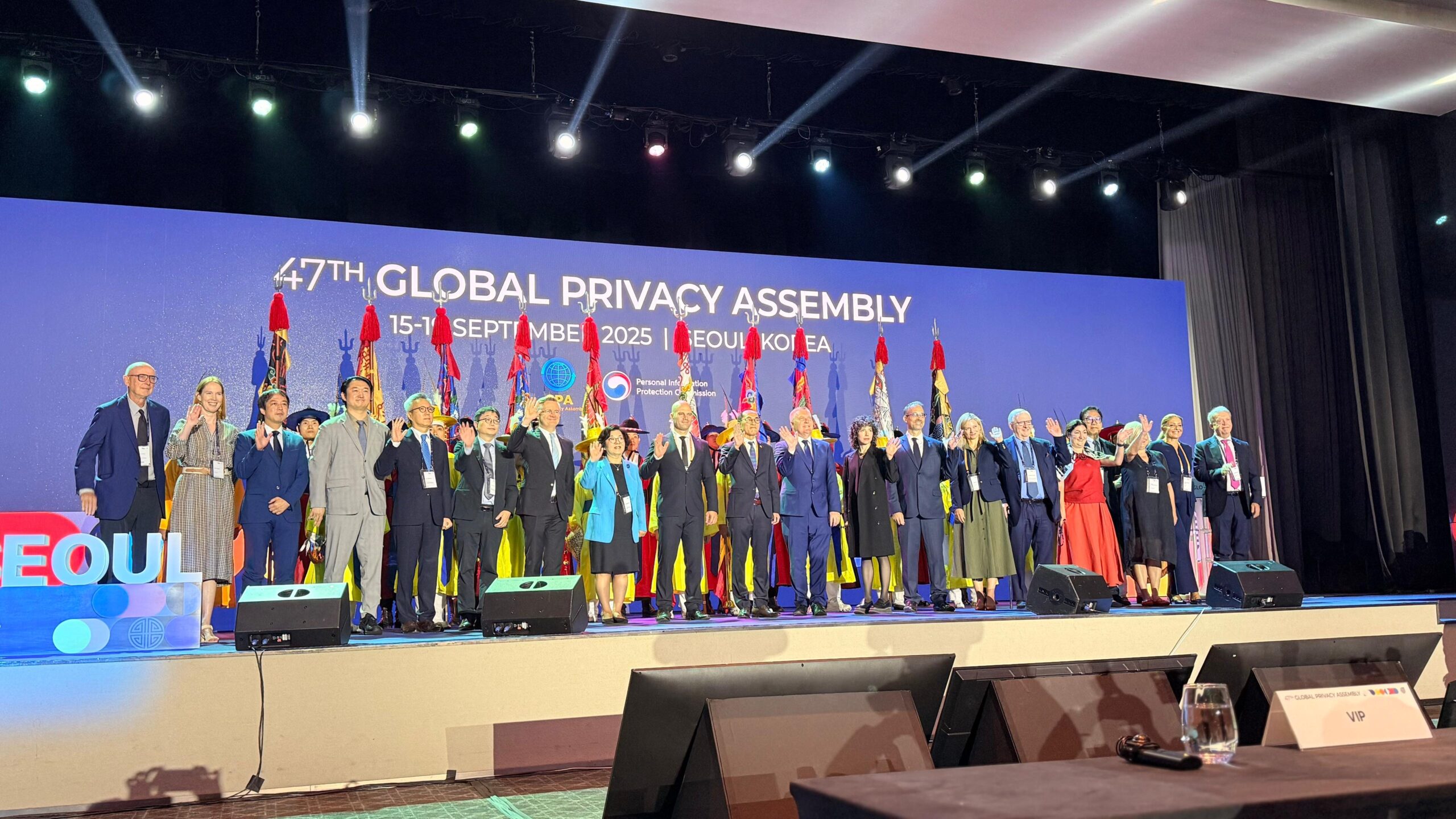
GPA 2025: AI development and human oversight of decisions involving AI systems were this year’s focus for Global Privacy regulators
The 47th Global Privacy Assembly (GPA), an annual gathering of the world’s privacy and data protection authorities, took place between September 15 and 19, 2025, hosted by South Korea’s Personal Information Protection Commission in Seoul. Over 140 authorities from more than 90 countries are members of the GPA, and its annual conferences serve as an […]

Understanding the New Wave of Chatbot Legislation: California SB 243 and Beyond
As more states consider how to govern AI-powered chatbots, California’s SB 243 joins New York’s S-3008C as one of the first few enacted laws governing companion chatbots and stands out as the first to include protections tailored to minors. Signed by Governor Gavin Newsom this month, the law focuses on transparency and youth safety, requiring […]

FPF Submits Comments to Inform Colorado Minor Privacy Protections Rulemaking Process
On September 10th, FPF provided comments regarding draft regulations for implementing the heightened minor protections within the Colorado Privacy Act (“CPA”). Passed in 2021, the CPA, a Washington Privacy Act style-framework, provides comprehensive privacy protections to consumers in Colorado that are enforced by the state Attorney General’s office, which also has rulemaking authority. In 2024, […]

“Personality vs. Personalization” in AI Systems: Responsible Design and Risk Management (Part 4)
This post is the fourth and final blog post in a series on personality versus personalization in AI systems. Read Part 1 (exploring concepts), Part 2 (concrete uses and risks), and Part 3 (intersection with U.S. law). Conversational AI technologies are hyper-personalizing. Across sectors, companies are focused on offering personalized experiences that are tailored to […]

“Personality vs. Personalization” in AI Systems: Intersection with Evolving U.S. Law (Part 3)
This post is the third in a series on personality versus personality in AI systems. Read Part 1 (exploring concepts) and Part 2 (concrete uses and risks). Conversational AI technologies are hyper-personalizing. Across sectors, companies are focused on offering personalized experiences that are tailored to users’ preferences, behaviors, and virtual and physical environments. These […]

The Connecticut Data Privacy Act Gets an Overhaul (Again)
Co-Authored by Gia Kim, FPF U.S. Policy Intern On June 25, Governor Ned Lamont signed SB 1295, amending the Connecticut Data Privacy Act (CTDPA). True to its namesake as the “Land of Steady Habits,” Connecticut is developing the habit of amending the CTDPA. Connecticut has long been ahead of the curve, especially when it comes […]

Annual DC Privacy Forum: Convening Top Voices in Governance in the Digital Age
FPF hosted its second annual DC Privacy Forum: Governance for Digital Leadership and Innovation on Wednesday, June 11. Staying true to the theme, this year’s forum convened key government, civil society, academic, and corporate privacy leaders for a day of critical discussions on privacy and AI policy. Gathering an audience of over 250 leaders from […]

Vermont and Nebraska: Diverging Experiments in State Age-Appropriate Design Codes
In May 2025, Nebraska and Vermont passed Age-Appropriate Design Code Acts (AADCs), continuing the bipartisan trend of states advancing protections for youth online. While these new bills arrived within the same week and share both a common name and general purpose, their scope, applicability, and substance take two very different approaches to a common goal: […]