

FPF Holiday Gift Guide for AI-Enabled, Privacy-Forward AgeTech
[…] correct their personal data; and provide special protections for sensitive data, such as biometric identifiers, precise geolocation, and certain financial identifiers. In 2025, state legislatures passed a number of AI-focused bills that covered issues such as chatbots, deepfakes, and more. These existing and proposed regulations may have impacts on AgeTech design and practices, as […]
Home,,Hand,And,Senior,Woman,With,Phone,For,Network,,Communication
home,,hand,and,senior,woman,with,phone,for,network,,communication
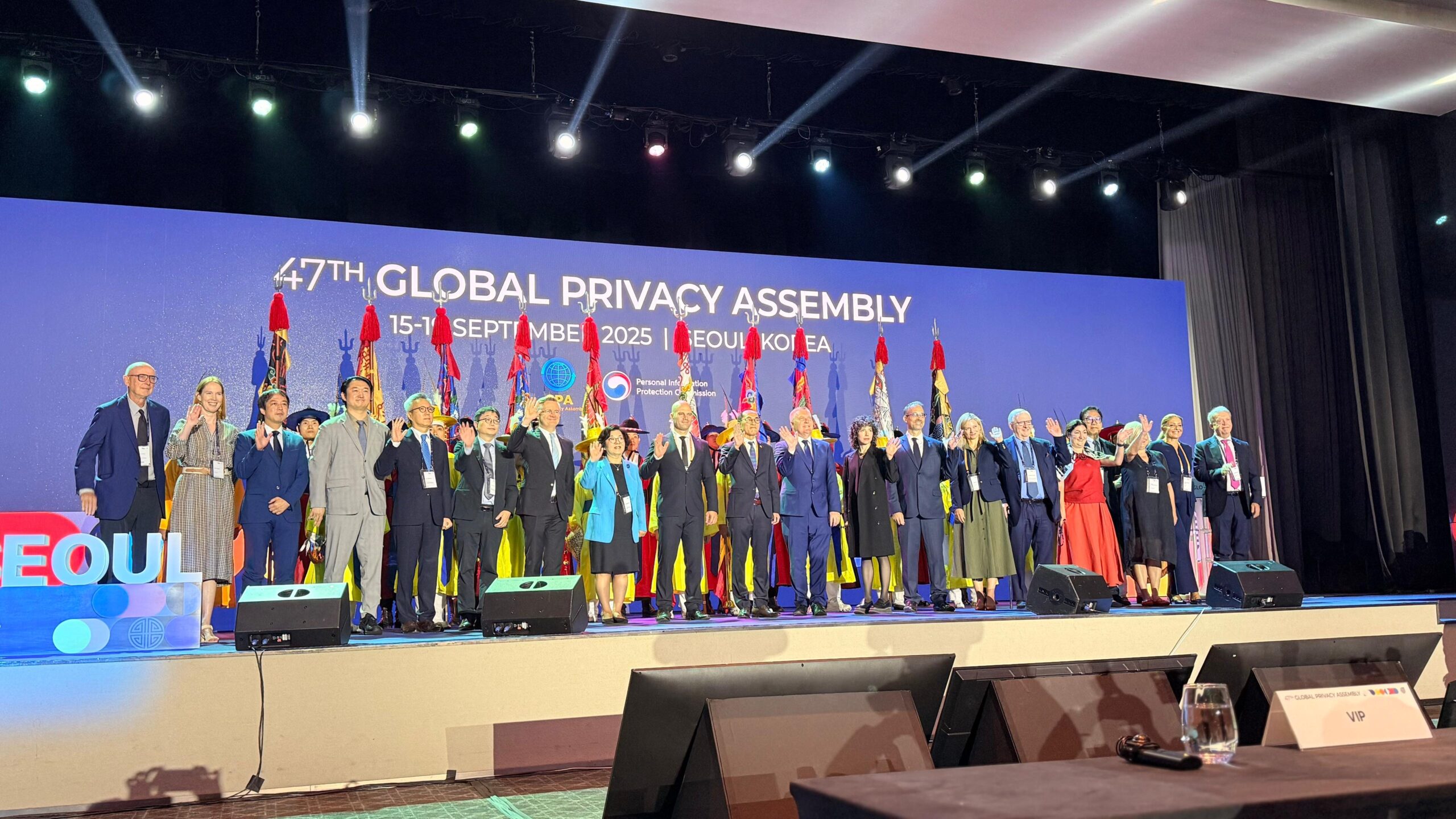
GPA 2025: AI development and human oversight of decisions involving AI systems were this year’s focus for Global Privacy regulators
[…] by the Office of the Australian Information Commissioner and co-sponsored by 15 other GPA member authorities. The GPA resolved to four specific steps after articulating a greater number of underlying concerns – specifically, that: The collection, use and disclosure of personal data for the pre-training, training, and fine tuning of AI models is within […]

FPF ANPR Comment 10 17_submitted
[…] elements for an entity to qualify as a representative. FPF again believes that the final rule addresse s the question properly. First, t he rule includes a number of required steps and interactions that must be taken between the data provider, consumer, and third party that cover authentication, authorization, and operations . These activities […]
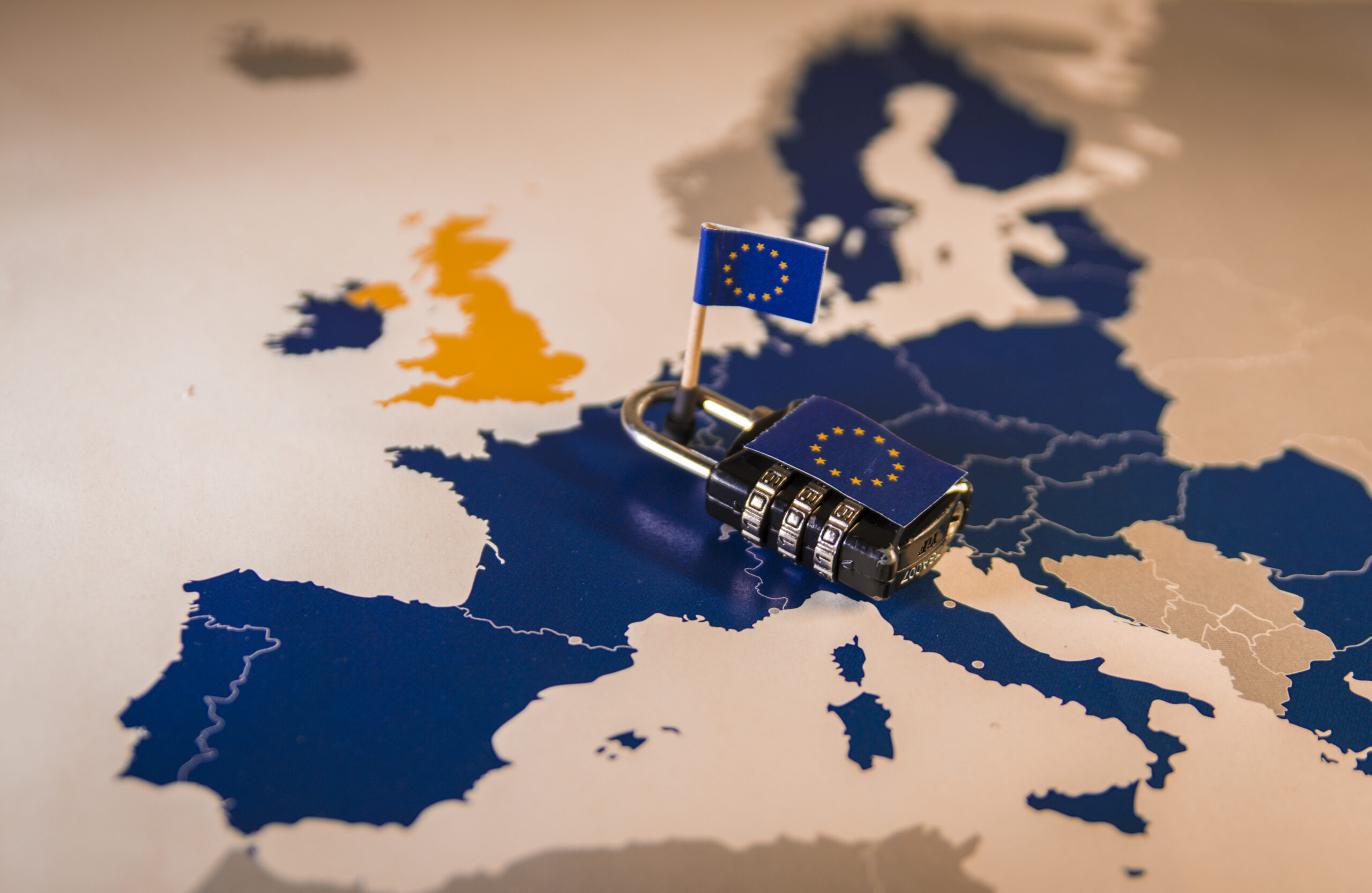
The Draghi Dilemma: The Right and the Wrong Way to Undertake GDPR Reform
[…] work better for individuals, which Draghi does not mention at all. The EU institutions, with input from the European Data Protection Board, should agree on a limited number of clearly-defined priorities to be dealt with in any reform. Any changes that affect the fundamental principles of the GDPR or reduce the level of protection […]
FPF_CCPA Regulations Issue Brief
[…] • Where PD of vulnerable natural persons, in particular of children, are processed; or • Where processing involves a large amount of PD and affects a large number of data subjects. Recital 75. California and Colorado have a slight difference in approach tied to the triggers for an assessment (see above). For example, Colorado […]
The State of State AI 2025 SUPPLEMENTAL
[…] MD MA MI MN MS MO MTNV Nb NM NY NC OH OK OR PA RI SC TX UT VT VA WA WV WY Overview of the number of industry-focused AI bills introduced per state in 2025, distinguishing how many bills were enrolled or enacted per state. Introduced AI Billls, Enrolled or Enacted by […]

“Personality vs. Personalization” in AI Systems: Responsible Design and Risk Management (Part 4)
[…] Values and Interests and Consulting with Experts: Achieving alignment entails that the AI system reflects human interests and values, but such efforts can be complicated by the number and range of these values that a system may implicate. In order to obtain a holistic understanding of the values and interests an AI companion or […]

A Price to Pay: U.S. Lawmaker Efforts to Regulate Algorithmic and Data-Driven Pricing
[…] housing market, or in groceries and restaurants? These elements generally correspond to the different terms used in legislation to refer to data-driven pricing practices. For example, a number of bills use terms such as “algorithmic pricing,” including New York S 3008, an enacted law requiring a disclosure when “personalized algorithmic pricing” is used to […]

Balancing Innovation and Oversight: Regulatory Sandboxes as a Tool for AI Governance
[…] oversight purposes. The supervising body typically has some discretion as to how to implement its sandbox, such as the focus (technology or sector-specific), the vetting process, the number of accepted applicants, and evaluation metrics for success. Application and selection: As part of the vetting process, participating organizations must explain to the regulatory body why […]